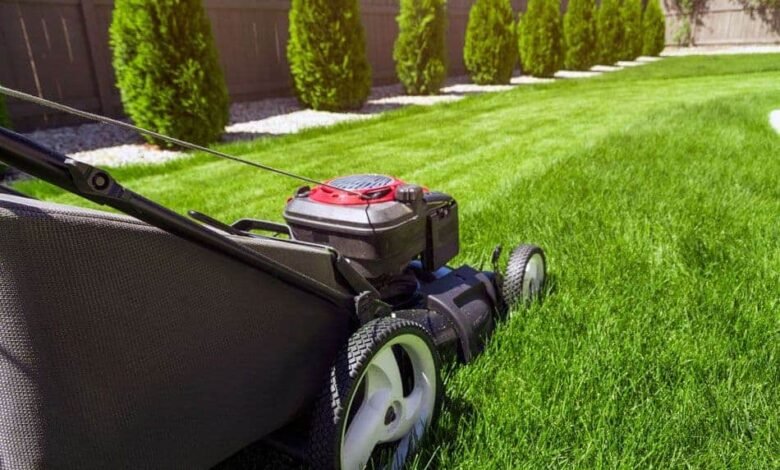
You know the lawn you admire on evening walks — thick, green, stripey, the kind that makes the whole house look smarter? That doesn’t happen by accident.
In the UK, your grass deals with everything from soggy winters in Manchester to dry summer spells in the South East. A “set and forget” approach simply doesn’t work here.
What does work is adjusting your lawn care with the seasons. Here’s how to do this!
Winter Lawn Care
Winter is less about growing grass and more about protecting it. When frost hits, your lawn becomes surprisingly fragile. Walking over frozen grass can crush the blades and leave brown footprints that linger into spring, especially on clay-heavy UK soils.
It’s also important to keep the surface clear. Leaves, fallen twigs, and storm debris may look harmless, but they trap moisture and block light, creating perfect conditions for fungal diseases.
A gentle rake on dry days helps the lawn breathe and prevents problems from building up unnoticed.
Applying an autumn/winter lawn feed with higher potassium helps strengthen roots and improve cold resistance.
Many UK homeowners use seasonal products from brands like Westland or Miracle-Gro, designed specifically for this stage. These feeds do not push top growth but instead help the lawn store energy for spring recovery.
Spring Lawn Care
Spring is when your lawn wakes up — and this is your biggest opportunity to shape how it performs for the rest of the year. After months of damp, compacted conditions, most UK lawns need help restoring airflow and density.
Aeration should be one of your first jobs. By opening up the soil, you help water and nutrients reach the roots instead of sitting on the surface. This is especially important after wet winters, which are common across much of the UK.
Scarifying comes next. Removing thatch and moss might make the lawn look worse for a short time, but it allows healthier grass to take over.
Follow this with overseeding, particularly in thin or patchy areas. Using a climate-suitable seed mix helps create a thicker lawn that naturally crowds out weeds. Ryegrass blends are quite affordable, and you can easily find them in garden centres like B&Q or Homebase.
Summer Lawn Care
Summer lawn care is about stress management. Heat, dry spells, and family use — from garden barbecues to kids playing football — all put pressure on the grass.
It’s recommended to raise the mowing height during warm weather. Taller grass shades the soil, helping retain moisture and protect roots. Cutting too short in summer is one of the fastest ways to end up with dry, patchy areas.
Watering needs to be smarter, not more frequent. Early morning watering gives moisture time to soak in before the heat builds.
Deep watering once or twice a week is far better than daily light sprinkling, which encourages shallow roots. If hosepipe restrictions are in place in your area, prioritising new seed and stressed patches makes the biggest difference.
Weeds also thrive in summer. Staying on top of them early prevents them from spreading. To that end, a dense lawn built through spring care is your best defence. Plus, it reduces the need for repeated treatments.
Autumn Lawn Care
Autumn is preparation season. What you do now determines how well your lawn handles winter and how much repair work you will face in spring.
Fallen leaves are one of the biggest autumn issues in UK gardens. While they may look picturesque, they block sunlight and trap dampness. Regular clearing keeps the grass healthy and prevents disease.
Autumn is also the best time to fertilise for root strength rather than leaf growth. Feeds higher in potassium help grass build resilience against cold and waterlogged conditions. The soil is still warm, making it an ideal time for overseeding and repairing worn areas after summer use.
Before winter arrives, give the lawn a final cut slightly lower than summer height, but avoid scalping. This reduces the risk of fungal problems while still protecting the grass’s crown.
Common Lawn Care Mistakes
Even with the best intentions, it’s easy to slip into habits that work against your lawn. Overwatering is one of the most common issues in UK gardens, especially when rainfall is already high.
Cutting grass too short is another frequent mistake. It weakens the lawn, exposes soil, and allows weeds to move in. Keeping to the “one-third rule” when mowing helps maintain strength.
Skipping seasonal jobs, such as autumn feeding or spring aeration, is a recurring issue, and it often leads to bigger problems later.
As a rule, small tasks at the right time of year prevent costly fixes and keep maintenance manageable.
Eco-Friendly Lawn Care Alternatives
If you want a healthier garden and lower environmental impact, small changes go a long way. Organic lawn feeds improve soil structure over time rather than delivering quick, short-lived boosts.
Electric mowers and hand tools reduce noise and emissions compared to petrol models, which is especially helpful in close-knit UK neighbourhoods.
Collecting rainwater in water butts is another practical way to reduce mains water use during dry spells.
Natural lawn care focuses on building strong soil and dense grass, which naturally reduces weeds and disease pressure. Over time, this creates a lawn that is more self-sustaining and less dependent on constant intervention.
Another eco-friendly step is leaving grass clippings on the lawn after mowing, a practice known as grasscycling.
These fine clippings break down quickly and return nutrients to the soil, reducing the need for extra fertiliser. It is a simple habit that improves soil health while cutting down on garden waste.
For homeowners who want to adopt greener methods but feel unsure where to begin, professional lawn care services can help create a tailored seasonal gardening plan.
These experts understand local soil types, regional weather patterns, and the right treatments for each time of year. They will help you maintain an environmentally responsible lawn without the guesswork.
Conclusion
Looking after a lawn in the UK is all about doing the right jobs at the right time. When you work with the seasons instead of against them, your lawn becomes easier to manage, more resilient, and far better looking.
If your garden has been stuck in a cycle of patchy grass and constant fixes, following a seasonal plan can completely change the results. Start today, and you will soon see how much difference timely care makes.