Nepal is not just a place on the map. It is a feeling. When you think of trekking, your mind probably jumps straight to the top of the world. But here is the thing. The summit is only one part of the story. The real magic happens on the trail. Every step you take in these mountains changes you. It strips away the noise of daily life and leaves you with raw, unfiltered beauty. While everyone rushes to stand on the highest peak, the smart travelers know that the journey matters more. There are paths less traveled and views that hit you right in the chest.
We are talking about routes that offer more than just altitude. They offer culture, silence, and a connection to nature that is hard to find anywhere else. If you are planning your next big adventure, you need to look beyond the obvious. This guide breaks down four incredible journeys. We will talk about the Annapurna Circuit Trek, the intimate Annapurna Base Camp Trek, the grueling Everest Three Pass Trek, and the wild Kanchenjunga Base Camp Trek. These are not just walks. They are experiences that define what Himalayan trekking is all about. Whether you are a beginner or a seasoned pro, there is a path here for you. Let’s get into it.
Why Nepal Remains the Ultimate Trekking Destination
You might wonder why people keep coming back to Nepal. It is not just the mountains. Sure, the peaks are huge. But it is the variety. In one country, you can walk through subtropical jungles, cross high desert plateaus, and sleep under stars so bright they look fake. The landscapes shift every few hours. One minute you are sweating in a rhododendron forest, and the next you are shivering on a rocky pass.
Then there is the culture. The locals are not just background characters. They are the heart of the experience. You stay in their homes, eat their food, and hear their stories. The tea house culture is unique. You walk all day, tired and dusty, and arrive at a warm lodge with a fire crackling and hot dal bhat waiting. It feels like coming home. Wildlife is another bonus. In places like Sagarmatha National Park or Annapurna Conservation Area, you might spot blue sheep, musk deer, or even the elusive snow leopard if you are lucky. It is this mix of natural beauty, human warmth, and raw adventure that makes trekking in Nepal unbeatable. No other place offers this level of accessibility mixed with such extreme grandeur.
Annapurna Circuit Trek – A Journey Across Nepal’s Diverse Landscapes
The Annapurna Circuit Trek used to be the classic loop. It still is, though the roads have changed things. But don’t let that fool you. The core experience remains powerful. This route takes you around the entire Annapurna massif. You start in lush green valleys and end up in a landscape that looks like Mars. The diversity is unmatched. You see waterfalls, deep gorges, and massive glaciers all in one trip.
Highlights of the Route
The trail winds through villages like Manang and Pisang. These places have a distinct Tibetan feel. The architecture, the prayer flags, and the monasteries create a spiritual vibe. You are not just walking; you are moving through history. The views of Annapurna II, III, and IV are constant companions.
Thorong La Pass Experience
The climax of this trek is crossing the Thorong La Pass. At 5,416 meters, it is a beast. You start walking in the dark, headlamps bobbing in the cold air. The climb is steep. Your lungs burn. But when you reach the top, the view is worth every gasp. Looking down into the Mustang district feels like entering another world.
Best Time to Visit
Aim for spring (March to May) or autumn (September to November). The weather is stable, and the skies are clear. Winter is too cold, and summer brings leeches and landslides.
Difficulty Level
It is moderate to challenging. The altitude is the main factor. You need to acclimatize properly.
Who Should Choose This Trek
This is for trekkers who want variety. If you get bored easily, this is your pick. It suits those who want a mix of culture and high-altitude challenge without the extreme isolation of other routes. It is a solid choice for anyone looking for a comprehensive Nepal mountain trekking experience.
Annapurna Base Camp Trek – Walking into the Heart of the Annapurna Sanctuary
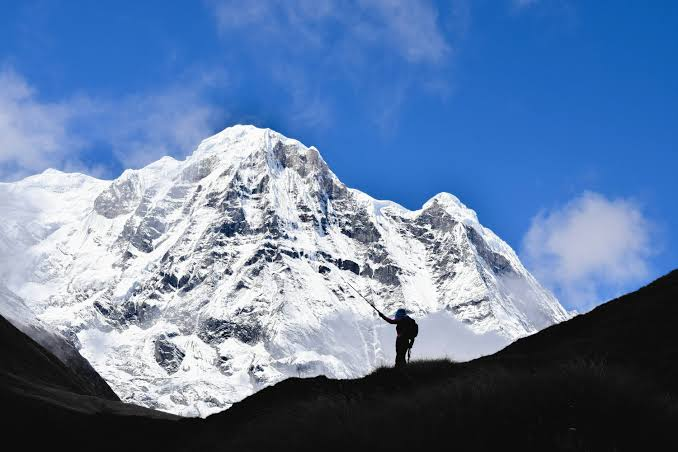
If the circuit is about the journey around, the Annapurna Base Camp Trek is about getting close. Very close. This trek takes you into the Annapurna Sanctuary, a natural amphitheater surrounded by towering peaks. It feels like walking into a cathedral made of rock and ice. The intimacy here is different. You are surrounded on all sides by giants.
Scenic Villages Along the Trail
The path goes through Gurung and Magar villages. Chhomrong is a key stop. It is steep, but the stone houses and terraced fields are picturesque. The lower sections are filled with bamboo forests and rhododendrons. In spring, the flowers explode in color. It is vibrant and alive.
Mountain Views and Sunrise
Reaching base camp is emotional. You wake up early to catch the sunrise. The light hits Machhapuchhre (Fishtail Peak) first, turning it gold. Then Hiunchuli and Annapurna South glow. It is a silent, majestic moment. You feel small, but in a good way.
Trek Duration
It is shorter. Usually 7 to 12 days. This makes it manageable for people with less time.
Physical Fitness Required
You need decent stamina. The stairs are endless. But technically, it is not difficult. No high passes to cross.
Why It Is Perfect for First-Time Himalayan Trekkers
This is often called the best intro to Himalayan adventure. It gives you the full mountain experience without the extreme risks of higher altitudes. The facilities are good, and the trail is well-marked. If you are new to multi-day trekking in Nepal, start here. It builds confidence and leaves you wanting more.
Everest Three Pass Trek – Nepal’s Ultimate High-Altitude Adventure
Now we get serious. The Everest Three Pass Trek is not for the faint of heart. It is widely considered one of the toughest treks in the world. But it is also the most rewarding. You don’t just see Everest from afar. You circle it. You cross three massive passes over 5,000 meters. It is a test of endurance, mental strength, and preparation. This is true high-altitude trekking.
Overview of the Three High Passes
First, there is Kongma La. It is the highest and often the most dangerous due to snow and ice. Then Cho La, which involves crossing a glacier. It can be slippery and scary. Finally, Renjo La, which offers perhaps the best views of the entire Khumbu region. Each pass is a victory. Crossing them feels like conquering a personal demon.
Everest Region Highlights
Beyond the passes, you visit Gokyo Lakes. The turquoise water against the grey rocks is stunning. You hike up Gokyo Ri for a panoramic view that includes Everest, Lhotse, and Makalu. You also walk through Tengboche, home to the famous monastery. The Sherpa culture here is rich and welcoming, despite the harsh environment.
Difficulty and Preparation
This is hard. Really hard. You need excellent cardiovascular fitness. You must know how your body reacts to altitude. Acute mountain sickness is a real risk. You cannot rush this. Rest days are mandatory. Training beforehand is non-negotiable. You should be hiking regularly with a pack before you arrive.
Accommodation and Facilities
Surprisingly, the tea houses are decent. Because this is the Everest region, infrastructure is better than in remote areas. You get hot showers (sometimes), wifi (spotty), and varied menus. But don’t expect luxury. It is basic, clean, and functional.
Best Trekking Seasons
Stick to pre-monsoon (April-May) or post-monsoon (October-November). The windows are narrow. Weather can turn bad quickly. Clear skies are essential for safety on the glaciers. This trek is for experienced hikers who crave a challenge. It is the pinnacle of Nepal trekking routes for those who want to push their limits.
Kanchenjunga Base Camp Trek – Exploring Nepal’s Untouched Wilderness
Far east lies Kanchenjunga. It is the third highest peak in the world. The Kanchenjunga Base Camp Trek remote. Very remote. Until recently, it was restricted. Now it is open, but few go. This is for those who hate crowds. You will walk for days without seeing another tourist. It is raw, remote trekking in Nepal.
Remote Beauty of Eastern Nepal
The landscape is rugged. Deep valleys, dense forests, and massive glaciers. The trail is less developed. Paths can be unclear. Bridges might be shaky. But the solitude is priceless. You feel like an explorer.
Unique Wildlife and Forests
This area is a biodiversity hotspot. Red pandas, snow leopards, and rare birds live here. The forests are thick with oak, rhododendron, and pine. The air smells of damp earth and resin. It feels ancient.
Local Communities and Culture
The Limbu and Rai communities live here. Their culture is distinct from the Sherpas of Everest. Homestays are common. You eat local food, drink local rice beer, and learn about traditions that have survived centuries of isolation. It is a genuine cultural exchange.
Trek Duration and Challenges
It takes 20 to 26 days. That is a long time. You need patience. Supplies are limited. You must carry more gear or rely on porters. The distance between tea houses is greater. Blisters are likely. But the sense of achievement is huge.
Why Adventure Lovers Choose This Trek
If you want to escape the commercialization of Everest and Annapurna, this is it. It is wild. It is unpredictable. It demands respect. For those seeking a true mountain trekking experience off the beaten path, Kanchenjunga is the ultimate prize. It is not easy, but it is real.
Comparing Nepal’s Four Iconic Treks
Choosing the right trek depends on what you want. Here is a quick breakdown to help you decide.
| Trek | Difficulty | Duration | Best For |
| Annapurna Circuit Trek | Moderate to Challenging | 14–18 Days | Scenic diversity and culture |
| Annapurna Base Camp Trek | Moderate | 7–12 Days | Beginners and short trips |
| Everest Three Passes Trek | Challenging | 18–21 Days | Experienced trekkers seeking glory |
| Kanchenjunga Base Camp Trek | Challenging | 20–26 Days | Remote adventure seekers |
Each route has its soul. The circuit offers balance. ABC offers intimacy. E3P offers intensity. Kanchenjunga offers isolation. Think about your fitness, your time, and your tolerance for discomfort. There is no wrong choice, only the right choice for you.
Best Time to Trek in Nepal
Timing is everything. The best seasons are spring and autumn. Spring (March to May) brings warm weather and blooming flowers. The rhododendrons are spectacular. Autumn (September to November) offers the clearest skies and stable temperatures. This is peak season for a reason.
Winter trekking is possible but cold. Nights drop below freezing. However, the trails are empty, and the views are crisp. Monsoon (June to August) is generally avoided. Trails are muddy, leeches are everywhere, and flights get cancelled. Unless you love rain and mud, skip it. Plan your trekking holidays in Nepal around the dry seasons for the safest and most enjoyable experience.
Essential Preparation Before Starting Any Trek
Don’t just show up. Prepare.
Physical Training
Start months ahead. Hike with a weighted pack. Do cardio. Strengthen your legs and core. Your knees will thank you.
Trekking Permits
You need permits. TIMS card and national park entry fees. For restricted areas like Kanchenjunga, you need special permits and a guide. Check the latest rules.
Packing Essentials
Layers are key. Base layer, insulation, shell. Good boots are non-negotiable. Break them in before you go. Bring a sleeping bag rated for -10C or lower.
Altitude Awareness
Learn the symptoms of AMS. Headache, nausea, dizziness. If you feel sick, stop. Descend if needed. Never ignore your body.
Hiring Guides and Porters
For remote treks, a guide is essential. They handle logistics, navigation, and safety. Porters support the local economy and make your load lighter. It is a win-win. Follow a good Nepal trekking guide advice for packing and pacing.
Conclusion
Nepal offers more than just mountains. It offers transformation. The Annapurna Circuit Trek shows you the breadth of the land. The Annapurna Base Camp Trek lets you touch the sky. The Everest Three Pass Trek tests your limits. The Kanchenjunga Base Camp Trek connects you with the wild. Each path is unique. Each one leaves a mark on your soul.
Do not worry about picking the “best” one. Pick the one that calls to you. Consider your fitness, your time, and your spirit. Whether you are a first-timer or a veteran, the Himalayas have something for you. The trails are waiting. The tea houses are warm. The mountains are calling. Pack your bag, lace up your boots, and go. The adventure of a lifetime is just a step away.