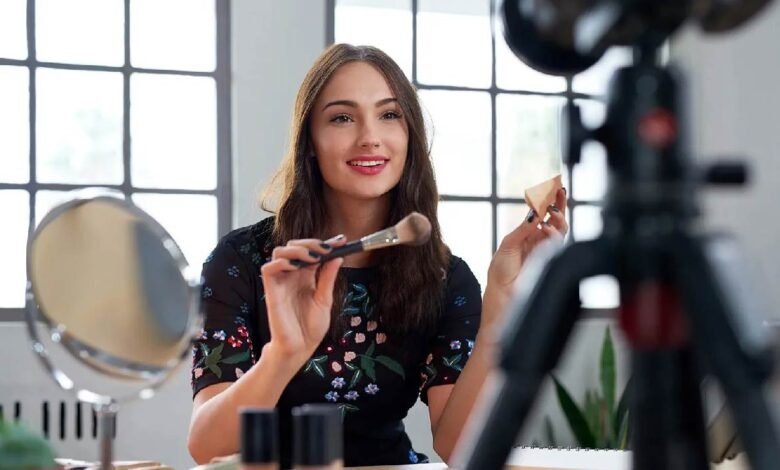
Fashion and beauty brands thrive on visuals, storytelling, and emotional connection. Social media has become the ultimate runway where trends are launched, influencers shape buying decisions, and brands build loyal communities. Whether you are a startup cosmetics label or an established fashion retailer, choosing the right platform can determine how effectively you reach your audience and convert attention into sales.
Each social media platform offers unique strengths. Some excel at short-form video, others at community building or premium visual presentation. Understanding where your ideal customers spend their time — and how they interact with content — is the foundation of successful advertising.
Instagram: The Visual Powerhouse
When it comes to fashion and beauty, Instagram remains one of the most powerful advertising platforms. Its image-first approach makes it perfect for showcasing makeup tutorials, outfit styling, product launches, and behind-the-scenes brand stories.
Features like Reels, Stories, and Shopping tags allow brands to blend inspiration with instant purchasing opportunities. Influencer collaborations also perform exceptionally well here, as audiences often trust creators’ beauty routines and fashion recommendations.
Instagram Ads provide detailed targeting options, helping brands reach users based on interests, behaviors, and shopping activity. Many brands now create instagram ads with ai to quickly test multiple visuals, captions, and audience segments, improving performance without needing a large creative team.
For fashion and beauty, Instagram is ideal for:
- Product launches
- Influencer campaigns
- Brand storytelling
- Shoppable posts
- Seasonal trend promotions
TikTok: Trend-Driven and Viral
TikTok has transformed how beauty and fashion trends emerge. A single viral video can sell out a product overnight. From skincare routines to “Get Ready With Me” videos, TikTok’s short-form content encourages authenticity and creativity.
Unlike highly polished ad campaigns, TikTok thrives on raw, relatable content. Brands that blend into trends rather than interrupt them often see better engagement. Hashtag challenges and user-generated content campaigns can dramatically expand reach.
TikTok Ads allow brands to target younger audiences, especially Gen Z and younger Millennials. Beauty brands, in particular, benefit from tutorial-style videos that feel organic rather than overly promotional.
Best uses for TikTok:
- Viral product demonstrations
- Beauty hacks and transformations
- Trend-based challenges
- Influencer collaborations
- Community-driven campaigns
Facebook: Broad Reach and Advanced Targeting
Although younger audiences may prefer newer platforms, Facebook still holds massive advertising power due to its sophisticated targeting tools and wide demographic range.
For fashion and beauty brands, Facebook is especially effective for retargeting. You can show ads to users who visited your website, added products to their cart, or interacted with previous content.
Carousel ads work well for showcasing multiple outfits or product variations. Facebook also integrates seamlessly with Instagram Ads, allowing brands to manage campaigns across both platforms from a single dashboard.
Facebook works best for:
- Retargeting campaigns
- Promotions and discounts
- Product catalog ads
- Older audience segments
- Community building through groups
Pinterest: The Discovery Engine
Pinterest is often underestimated, but it’s a powerful platform for fashion and beauty brands. Users visit Pinterest with purchase intent — they are actively searching for inspiration, ideas, and solutions.
From seasonal fashion lookbooks to skincare routines and bridal makeup ideas, Pinterest acts like a visual search engine. Promoted Pins can drive significant traffic to product pages, especially for evergreen content.
Fashion brands benefit from creating boards around themes such as “Summer Outfit Ideas” or “Minimalist Wardrobe Essentials.” Beauty brands can create tutorials, skincare guides, and color trend inspiration.
Pinterest is particularly strong for:
- Long-term traffic generation
- Trend forecasting
- Style inspiration
- Wedding and seasonal campaigns
- SEO-driven discovery
YouTube: Long-Form Authority and Tutorials
For beauty brands, YouTube remains unmatched in building trust. In-depth tutorials, product reviews, skincare routines, and comparison videos help customers make informed buying decisions.
Unlike quick social clips, YouTube allows detailed storytelling. Influencer partnerships on YouTube often feel more credible because creators provide thorough demonstrations and honest reviews.
YouTube Ads can appear before videos (pre-roll), during content (mid-roll), or as discovery ads in search results. Beauty brands often benefit from tutorial-based ads that feel educational rather than promotional.
YouTube is ideal for:
- Product demonstrations
- In-depth reviews
- Brand documentaries
- Educational content
- Influencer collaborations
Snapchat: Engaging Younger Audiences
Snapchat may not always be the first choice, but it remains relevant among younger users. Beauty brands often use augmented reality (AR) filters to let customers virtually try on makeup products.
Interactive lenses and short video ads help brands engage audiences in a fun, immersive way. This platform works especially well for bold, trend-focused beauty campaigns.
Best for:
- AR try-on features
- Youth-focused campaigns
- Flash promotions
- Interactive storytelling
Choosing the Right Platform for Your Brand
Not every platform will suit every brand. The right choice depends on your audience demographics, budget, and content strategy.
If your focus is strong visuals and influencer marketing, Instagram and TikTok may lead the way. If you want evergreen discovery traffic, Pinterest is highly effective. For in-depth product education, YouTube offers unmatched depth. Facebook remains powerful for retargeting and broad reach campaigns.
Many successful fashion and beauty brands combine platforms. For example:
- Use TikTok to generate buzz.
- Retarget interested viewers on Facebook.
- Convert buyers with Instagram Shopping.
- Build long-term discovery traffic through Pinterest.
An integrated strategy ensures your audience sees your brand at multiple touchpoints before making a purchase.
Final Thoughts
Social media advertising has become essential for fashion and beauty brands that want to grow in a competitive market. The key is understanding how each platform aligns with your brand voice, content style, and audience behavior.
By strategically selecting platforms and adapting content to fit each one’s strengths, brands can maximize engagement, build loyalty, and drive consistent sales. The most successful advertisers are those who stay flexible, test creative formats, and continuously optimize their campaigns based on data and audience response.