Few inventions have changed the way humans connect with the world as dramatically as the airplane. From early aviation pioneers to today’s high-tech aircraft, passenger planes have become symbols of innovation, global travel, and engineering excellence. Over the decades, several aircraft models have earned iconic status thanks to their distinctive designs, impressive performance, and widespread use by airlines worldwide.
Let’s explore some of the most recognizable passenger planes that have defined modern aviation and continue to inspire travelers and aviation enthusiasts alike.
The Queen of the Skies
Few aircraft are as instantly recognizable as the Boeing 747. Introduced in the late 1960s, this aircraft revolutionized air travel with its massive size and unique hump-backed upper deck. Often referred to as the “Queen of the Skies,” the Boeing 747 was the world’s first wide-body passenger jet and made long-haul international travel more accessible.
For decades, the 747 served as the flagship aircraft for many major airlines. Its spacious cabin allowed airlines to carry hundreds of passengers on a single flight, significantly reducing travel costs and expanding global tourism. Even today, the aircraft remains a beloved symbol of aviation history and technological progress.
The Workhorse of Short and Medium Routes
Another aircraft that has become a familiar sight at airports worldwide is the Boeing 737. Known for its reliability and efficiency, the Boeing 737 is one of the most widely used passenger aircraft ever built.
Airlines appreciate the plane for its versatility. It performs well on both short domestic flights and medium-distance routes, making it a cornerstone of airline fleets around the globe. With multiple upgraded versions introduced over the years, the Boeing 737 continues to evolve with improved fuel efficiency and modern passenger amenities.
Its sleek design and frequent appearances in airports around the world have made it one of the most recognizable aircraft for travelers everywhere.
Europe’s Aviation Success Story
In response to growing competition in the aviation market, European manufacturers introduced the Airbus A320. This aircraft quickly gained popularity for its innovative technology and comfortable passenger experience.
The Airbus A320 family was among the first commercial aircraft to introduce a full digital fly-by-wire flight control system, which enhanced safety and efficiency. Today, many airlines rely on the A320 for regional and medium-haul routes.
Its distinctive winglets and streamlined design make it easy to spot, and it has become one of the most successful aircraft families in commercial aviation.
The Double-Deck Giant
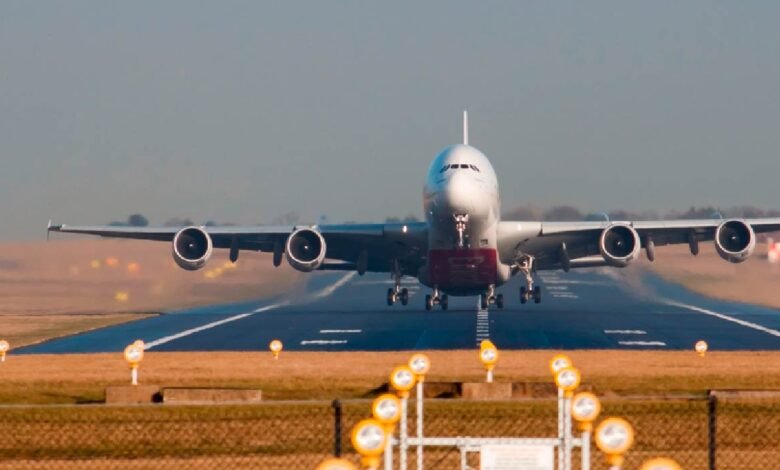
When it comes to size and passenger capacity, few aircraft capture attention like the Airbus A380. As the largest passenger airplane ever built, the A380 introduced a new level of luxury and scale to air travel.
With two full passenger decks and the ability to carry more than 800 people in certain configurations, the A380 became a symbol of modern aviation ambition. Airlines used the aircraft to transport large numbers of passengers between major global hubs, often providing luxurious amenities such as lounges, bars, and spacious seating.
Although production ended in recent years, the Airbus A380 remains one of the most visually striking aircraft ever created.
The Long-Distance Innovator
Another aircraft that has gained recognition in recent years is the Boeing 787 Dreamliner. Designed for efficiency and passenger comfort, the Dreamliner introduced cutting-edge materials and technologies to the aviation industry.
Built largely from composite materials, the aircraft is lighter and more fuel-efficient than many older models. It also features larger windows, improved cabin pressure, and quieter engines, enhancing the passenger experience on long-haul flights.
Manufacturing advanced aircraft like the Dreamliner requires incredible precision. In aerospace production, specialized machining techniques—such as helical milling—are sometimes used to create high-accuracy holes in complex components, ensuring the structural integrity required for safe flight.
Why These Aircraft Became Icons
These aircraft have become globally recognized not only because of their appearance but also because of the roles they have played in connecting people, cultures, and economies. Their engineering achievements, technological innovations, and long service lives have helped shape the modern aviation industry.
As aviation technology continues to evolve, new aircraft will undoubtedly join the ranks of these flying giants. Yet the legacy of these iconic passenger planes will always remain an important chapter in the story of human flight.
From bustling international airports to long journeys across continents, these remarkable aircraft remind us that the skies are not just pathways for travel—they are gateways to discovery.