Shipping damage is more than a logistical headache. It represents a loss of revenue, a waste of resources, and a potential break in trust between a sender and a receiver. While many people believe that a few layers of plastic wrap are enough to protect a product, professional logistics require a more calculated approach. Mastering the art of secure transport involves understanding physics, material science, and the rigors of the modern supply chain.
1. Selecting the Appropriate Box Strength
The exterior container is the primary defense against the outside world. However, not all boxes are equal. Most standard shipping containers are made of corrugated cardboard, which features a fluted layer between two flat liners. For heavier or more valuable items, a single-wall box might not suffice. Double-wall or even triple-wall corrugated boxes provide the structural integrity needed to withstand stacking and rough handling.
Always check the manufacturer’s certification stamp on the bottom of the box. This stamp indicates the bursting strength or the edge crush test rating. If the weight of the contents exceeds the box’s capacity, the bottom can fail or the corners can collapse during transit.
2. Implementing the H-Tape Method
Even the strongest box is useless if the seal fails. Many shippers make the mistake of using a single strip of tape across the center seam. The professional standard is the H-tape method. This involves applying tape across all open seams on both the top and bottom of the package.
By sealing the center seam and the side edges, you create an airtight, reinforced structure. This prevents the flaps from catching on conveyor belts and keeps out moisture or dust. Use pressure-sensitive plastic tape or water-activated paper tape with a minimum width of two inches for the best results.
3. Mastering Internal Void Fill
A common cause of damage is the movement of items inside the box. If a product can shift, it can gain momentum during a sudden stop or drop, leading to internal breakage. Internal protection should serve two purposes: cushioning against impact and filling empty space to prevent movement.
While bubble wrap is excellent for surface protection, void fillers like air pillows, crumpled kraft paper, or foam inserts are necessary to keep the item stationary. A simple test is to gently shake the box before sealing it. If you feel or hear anything moving, you need more filler.
4. The Double-Box Technique for Fragiles
For extremely delicate items, a single box is rarely enough. The double-boxing method involves placing the product inside a smaller box and then placing that box inside a larger container.
The key to this secret is maintaining at least two inches of cushioning between the inner and outer boxes. This creates a “float” effect. If the outer box is crushed or punctured, the inner box remains untouched. This method is the industry standard for electronics, glassware, and precision instruments.
5. Strategic Weight Distribution
The way items are positioned inside a container significantly impacts their survival. When shipping multiple items in one box, always place the heaviest items at the bottom. This lowers the center of gravity and prevents the package from tipping over.
Furthermore, ensure that the weight is centered. If a box is significantly heavier on one side, it is more likely to be dropped or mishandled by automated systems. Use dividers to keep items separated so they do not collide with each other during transport.
6. Addressing Environmental Variables
Shipping containers often travel through various climates, exposing contents to extreme heat, cold, or humidity. Moisture is particularly dangerous for metal components, electronics, and paper products.
To combat this, use desiccants or moisture-barrier bags. These small packets absorb humidity within the sealed environment of the box. Additionally, consider how temperature changes might cause materials to expand or contract. Leaving a small amount of “breathing room” in the cushioning can prevent pressure-related damage.
7. Professional Handling and Logistics
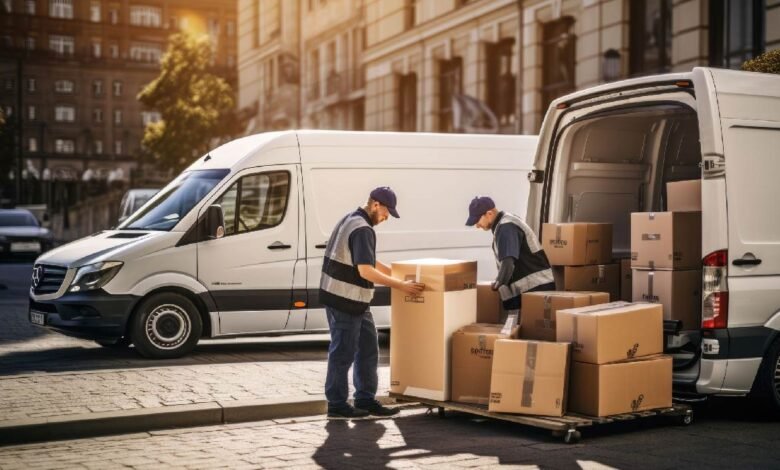
The final secret to damage-free shipping is choosing the right partners for the journey. The last mile of a shipment is often the most perilous, as packages are moved manually and loaded into smaller vehicles. Utilizing a reliable delivery service in Salt Lake City or your specific regional hub ensures that local drivers understand the terrain and handling requirements.
Clear labeling is also vital. Use “This Side Up” arrows and “Fragile” stickers, but do not rely on them exclusively. Proper internal engineering should be the primary protection, with labels serving as a secondary precaution for the handlers.
Conclusion
Achieving a zero-damage rate requires discipline and attention to detail. By selecting the right materials, sealing containers correctly, and accounting for the physics of movement, you can ensure that your goods arrive in pristine condition. These professional standards transform shipping from a gamble into a reliable science.