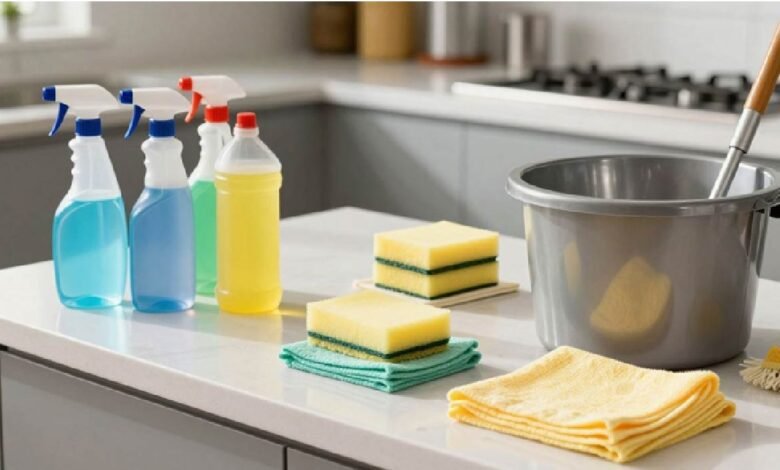
Assessing Job Requirements by Service Type
Before buying anything, take a good look at the actual work you’ll be doing. Different cleaning jobs need different supplies. A quick office tidy-up is worlds apart from a deep clean of a restaurant kitchen. Think about the spaces you’ll clean most often. This helps you pick the right cleaning products and tools from the start.
Consider the size of the area and how often it needs cleaning. High-traffic areas, like lobbies or restrooms, will need more robust cleaning supplies than a small office that’s only used a few times a week. Understanding these job requirements is the first step to picking better cleaning supplies.
Knowing your specific cleaning needs will save you time and money. It prevents you from buying too many products or the wrong kind of equipment. This focused approach makes your cleaning operations much smoother.
Differentiating Between Residential and Commercial Needs
Residential cleaning and commercial cleaning have distinct requirements. Homes often need gentle yet effective cleaners, especially if there are pets or children. The focus is on surface care and making a living space feel fresh. Residential cleaning supplies should be easy to transport and use in smaller, varied spaces.
Commercial settings, however, often involve larger areas, tougher grime, and a need for high-level sanitation. Think about office buildings, retail spaces, or industrial sites. These places might need stronger disinfectants, specialized floor cleaners, and more durable equipment. The cleaning supplies for commercial jobs must meet higher standards for hygiene and durability.
It’s important to remember that not all cleaning products work for every surface. Using the wrong cleaner on wood floors or delicate surfaces can cause damage. Always check product labels and understand the materials you’re working with.
Identifying Specific Surface and Material Requirements
Every surface and material in a building has unique cleaning needs. Hardwood floors require different care than tile or vinyl. Stainless steel appliances need specific cleaners to avoid streaks and corrosion. Glass surfaces demand streak-free solutions.
Knowing the exact surfaces you’ll be cleaning is key. For example, a restaurant kitchen will have grease buildup on stainless steel and tile, requiring degreasers and specific floor cleaners. An office might have carpet, glass partitions, and laminate desks, each needing its own approach. This detailed look at surfaces helps you choose the right cleaning products.
Always check product compatibility with surfaces. Using a harsh chemical on a delicate material can lead to costly damage and safety issues. A little research upfront goes a long way in protecting property and ensuring effective cleaning.
Essential Cleaning Product Categories
When it comes to keeping a business running smoothly, the right cleaning products are key. You don’t need a whole warehouse full of chemicals, though. Having a focused list makes training easier, storage simpler, and reduces the chance of using the wrong cleaner on delicate surfaces. Think about what you actually need for the jobs you do most often.
All-Purpose and Multi-Surface Cleaners
These are your workhorses. An all-purpose cleaner can handle everyday messes on desks, counters, and tables. Multi-surface cleaners are designed for a variety of materials, saving you time and the need to buy separate products for different areas. They are the go-to for quick wipe-downs and general tidiness. Using these versatile cleaners means your team can move faster and keep spaces looking professional without a lot of fuss.
Disinfectants and Sanitizers
In high-traffic areas like restrooms, kitchens, and places where people touch things a lot, disinfectants and sanitizers are non-negotiable. They kill germs and bacteria, helping to keep employees and customers healthy. It’s important to use these products correctly, following the contact times listed on the label for them to be effective. Having disinfectant wipes handy is also great for quick touch-ups on doorknobs and light switches.
Specialty Cleaners for Specific Surfaces
Beyond the everyday, you’ll run into specific cleaning challenges. This is where specialty cleaners come in. You might need a degreaser for kitchen equipment, a floor cleaner matched to your specific flooring type (like tile, wood, or vinyl), or a cleaner for stainless steel appliances. Using the right product for the job prevents damage and gets better results. For instance, a wood-safe cleaner should only be used on approved wood surfaces.
Odor Neutralizers and Descalers
Sometimes, cleaning isn’t just about what you can see. Odor neutralizers tackle smells from trash areas, pets, or stale air, leaving spaces smelling fresh. Descalers are important for areas with hard water buildup, like sinks and showerheads, restoring fixtures to their former shine. These products address issues that can affect the overall feel and function of a business space.
Selecting the Right MERE Supplies
When it comes to choosing cleaning supplies for daily operations, the focus should always be on efficiency and safety. Businesses need to think about what will get the job done well without causing unnecessary problems. This means looking at products that can handle multiple tasks and are easy for staff to use correctly. The right MERE supplies simplify cleaning processes and contribute to a healthier work environment.
Prioritizing Versatility and Efficiency
Opting for versatile cleaning products means fewer items to manage and train staff on. All-purpose cleaners, for instance, can tackle a wide range of surfaces, reducing the need for specialized chemicals. This not only saves money but also streamlines inventory and storage. Think about how much time is saved when a single product can be used in multiple areas. Efficient MERE supplies mean less time spent switching between bottles and more time spent cleaning.
Considering Environmental Impact and Safety
Businesses today are increasingly aware of their environmental footprint. Choosing eco-friendly cleaning supplies, such as those with plant-based ingredients or low VOCs (Volatile Organic Compounds), is a smart move. These products are often safer for employees and building occupants, reducing exposure to harsh chemicals. It’s important to balance effectiveness with these considerations. Look for certifications that verify green claims. Safety Data Sheets (SDS) are also vital for understanding any potential risks associated with the MERE supplies you select.
Evaluating Product Concentration and Dilution Needs
Many cleaning products come in concentrated forms, requiring dilution before use. Understanding these dilution ratios is key to both cost-effectiveness and proper application. Using too much concentrate can waste product and potentially damage surfaces, while too little might not clean effectively. Providing clear instructions and proper measuring tools for staff is important. This careful evaluation of concentration helps manage supply costs and ensures the MERE supplies are used as intended.
Key Cleaning Tools and Equipment
Microfiber Cloths and Mop Systems
Microfiber cloths are a game-changer for daily operations. Their ability to trap dirt and bacteria makes them superior to traditional rags. Color-coding these cloths by area is a smart move to prevent cross-contamination, especially in sensitive environments like healthcare or food service. Paired with a good mop system, they ensure floors are cleaned effectively and efficiently. Having extra mop heads on hand means crews aren’t reusing dirty ones, which is a basic but important step in maintaining hygiene.
When selecting a mop system, think about the types of floors you clean most often. A good mop and bucket setup is still a workhorse for many businesses. It’s about having the right tools for the job, and microfiber cloths are definitely part of that.
Scrub Brushes, Sponges, and Detail Tools
Beyond the basics, a variety of scrub brushes, sponges, and detail tools are needed for tackling tougher jobs. Grout brushes get into those tight spaces where dirt loves to hide. Handheld scrapers can lift stubborn grime, and melamine sponges, often called “magic erasers,” are surprisingly effective on scuffs and marks. These smaller tools might seem minor, but they make a big difference in the final appearance of a cleaned space. They are key for detailed work.
Think about the surfaces you’ll be cleaning. A stiff brush might be perfect for tile grout but could damage a delicate surface. Having a range of these detail tools means your team can handle various cleaning challenges without causing damage. It’s about having the right tool for every specific task.
Glass and Window Cleaning Equipment
Shiny, streak-free glass surfaces make a big impression. For windows, mirrors, and glass partitions, the right equipment is key. Squeegees, when used correctly with a good glass cleaner, can leave surfaces looking spotless. It’s not just about appearance; clear glass contributes to a brighter, more welcoming environment. This equipment is vital for businesses where first impressions matter.
Using a microfiber cloth in conjunction with a glass cleaner is a simple trick that significantly reduces streaks. This combination helps maintain a professional look for any business. Don’t underestimate the impact of clean glass on the overall perception of a space.
Safety Signage and Barriers
Safety is paramount, and proper signage and barriers are non-negotiable. Wet floor signs are essential to prevent slips and falls after cleaning. Barriers can cordon off areas that are temporarily out of bounds due to cleaning or maintenance. These items protect both your staff and the public. They are a simple but effective way to manage risk during operations.
Having clear, visible safety signage and barriers is a sign of a professional operation. It shows you prioritize the well-being of everyone in the vicinity. This equipment is just as important as the cleaning supplies themselves.
These safety tools are often overlooked but play a critical role in preventing accidents. They are a small investment that can save a lot of trouble down the line. Make sure your team knows when and how to deploy them.
Safety and Personal Protective Equipment
Gloves and Respiratory Protection
When you’re dealing with cleaning supplies, especially the stronger stuff, protecting your hands and lungs is a big deal. Disposable or reusable gloves are a must for most cleaning tasks. They keep your skin from getting irritated or absorbing chemicals. For jobs where there’s a lot of dust, strong smells, or airborne particles, a mask or respirator is the way to go. It’s not just about comfort; it’s about preventing long-term health issues from inhaling harmful substances. Always check what kind of protection is needed for the specific chemicals you’re using.
Eye Protection and Footwear
Splashes happen, and you don’t want cleaning solutions getting in your eyes. Safety goggles are a simple but effective way to prevent eye injuries. They create a barrier against liquid spray. Also, think about your feet. Wet floors are a common hazard in any business setting. Wearing non-slip footwear can make a huge difference in preventing falls and injuries. It’s a small detail that adds a lot to overall safety.
First-Aid and Spill Containment Kits
Accidents can occur, no matter how careful you are. Having a well-stocked first-aid kit readily available is smart. It should be in a central location or on cleaning carts so it’s easy to find when needed. Beyond minor cuts, you also need to be prepared for bigger messes. A spill containment kit is important for handling leaks or accidental chemical spills. Knowing how to use these kits and where they are stored is part of good safety practice.
Safety Data Sheet Accessibility
Every chemical product comes with a Safety Data Sheet (SDS). This document is packed with important information about the product’s properties, potential hazards, and what to do in case of exposure or spills. It’s a legal requirement in many places, and for good reason. Make sure these SDSs are easily accessible to everyone who uses the cleaning supplies. Keeping them in a binder or digital format that’s always available helps your team work safely and responsibly. Understanding the SDS is key to safe handling.
Managing Supply Costs and Inventory
Standardizing Supply Kits for Consistency
Creating standardized supply kits for different types of jobs is a smart move. This means having a set list of products and tools for tasks like residential cleaning, office upkeep, or commercial deep cleans. When crews use the same setup every time, it cuts down on confusion and ensures that nothing important gets left behind. This consistency in supplies helps maintain service quality across the board.
Tracking Usage and Setting Reorder Points
It’s not enough to just know what you’re buying; you need to track how fast items are actually used. Keep an eye on how quickly chemicals, gloves, and wipes disappear per job. This usage data helps you set realistic reorder points. You want to restock before you run out, but avoid buying too much of anything that might expire or just sit around unused. Good inventory management prevents waste.
Evaluating Supply Costs Against Labor
Supplies and labor are the two biggest costs for most cleaning businesses. They work together to determine if a job is actually profitable, especially for regular clients. If a recurring job uses $12 in supplies and takes two hours of labor, that cost needs to be factored into the price. Don’t treat supply expenses as an afterthought; they directly impact your bottom line.
Strategic Purchasing and Distributor Partnerships
Buying in bulk can often lead to significant savings. Purchasing cleaning chemicals in larger containers, like 5-gallon sizes, is usually cheaper per unit than buying smaller bottles. Working with a janitorial supply distributor can also be beneficial. These partners often have better pricing for businesses and can share best practices to make your cleaning operations more efficient and cost-effective. They know products, and you know cleaning.
Smart purchasing isn’t just about finding the cheapest option; it’s about controlling how supplies are used, replenished, and priced into your services.
Here’s a quick look at typical supply cost benchmarks:
| Service Type | Supply Costs as % of Revenue | |
| Residential Cleaning | 2%–6% | |
| Specialty/Deep Cleaning | 5%–10% |
If your costs are consistently higher than these ranges, it’s time to review your pricing and usage habits. Are jobs priced to cover actual supply use, or are crews using more than they need on each visit? Addressing these questions is key to better inventory control and overall financial health.
The Role of Eco-Friendly Options
Understanding Green Cleaning Certifications
When businesses look for cleaning supplies, they might see labels like “green” or “eco-friendly.” But what do these really mean? Certifications from groups like Green Seal or EPA’s Safer Choice help sort this out. These labels mean a product has been checked and meets certain standards for being better for people and the planet. Looking for these certifications takes the guesswork out of choosing truly eco-friendly options. It’s a way to be sure you’re getting products that work well without harsh chemicals.
Benefits of Plant-Based and Low-VOC Products
Many businesses are switching to cleaning products made from plants or those with low VOCs (Volatile Organic Compounds). Plant-based cleaners often break down more easily in the environment. Low-VOC products are good because they release fewer fumes into the air. This can make a big difference for employees and customers, especially those with allergies or sensitivities. It helps create a healthier space for everyone.
Communicating Value in Green Cleaning Services
Using eco-friendly cleaning supplies isn’t just about being good to the environment; it can also be a selling point. When a business highlights its use of plant-based or low-VOC products, it shows they care about the well-being of their clients and staff. This can attract customers who prioritize health and sustainability. It’s a way to show that your cleaning services offer more than just a clean space – they offer a healthier one too. This commitment to eco-friendly practices can set a business apart.
Putting It All Together
Choosing the right cleaning supplies for daily operations really comes down to knowing what you need and sticking to it. It’s not about having the most products, but the right ones. Think about the specific jobs you do most often, whether that’s cleaning offices, homes, or something else. Having a focused list of cleaners and tools makes training your team easier, cuts down on storage headaches, and stops people from grabbing the wrong bottle. By being smart about what you stock and how you use it, businesses can keep spaces clean, safe, and looking good without wasting money or time. It’s a simple approach, but it makes a big difference in how smoothly everything runs.

