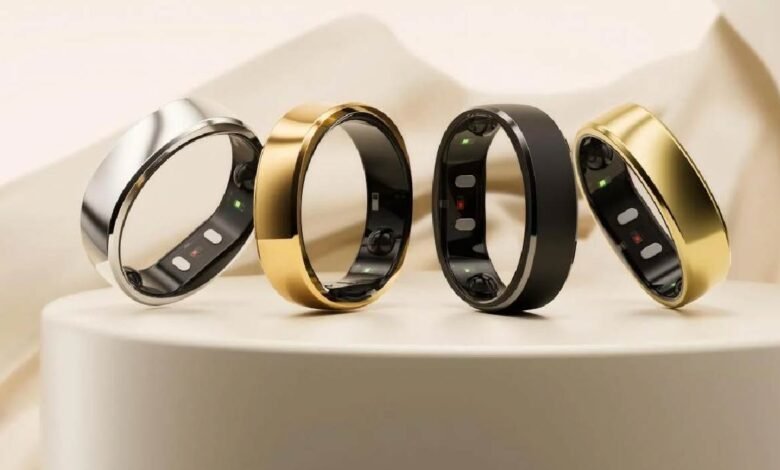
Wearable technology is making personal fitness more convenient than ever. People no longer need large devices or complicated equipment to learn about their daily activity and wellness habits. A fitness ring offers a compact alternative, combining a lightweight design with sensors that can collect information about movement, sleep, and selected body measurements.
A modern fitness ring is designed for people who want to understand their routines without constantly checking a screen. Depending on the model, it can monitor heart rate, estimate sleep patterns, record activity, and provide recovery insights through a smartphone application.
Choosing the right health tracking ring involves more than comparing prices. Comfort, battery life, sensor performance, app features, and data privacy all contribute to the overall experience. Understanding these factors can help you find a device that fits your lifestyle.
What Is a Fitness Ring?
A fitness ring is a wearable electronic device that fits around a finger and collects information about selected physical activities and body signals. It typically contains miniature sensors that operate while the user goes about normal daily activities.
Unlike traditional fitness bands, a ring does not usually include a large screen. Instead, it sends collected information to a connected smartphone, where users can review their measurements and activity summaries.
Different products offer different capabilities. Some focus on sleep and recovery, while others provide broader fitness tracking. Which measurements are most useful to you will determine which option is best.
Why Choose a Health Tracking Ring?
For those who value privacy, a health tracking ring can be a convenient option. Its small size makes it easy to wear throughout the day, and many models are designed for overnight monitoring.
One major advantage is automatic data collection. Instead of manually recording every activity, users can review information gathered during their regular routines.
A ring may also assist users in recognizing habits that have changed. For example, reviewing several weeks of activity records can reveal whether daily movement has become more consistent.
Even though these gadgets can help people become more aware of their health, their measurements are only estimates and should not be used as medical diagnoses.
Essential Features of a Fitness Ring
Before purchasing a fitness ring, compare the features offered by different manufacturers.
Common features include:
- Step counting and daily activity monitoring
- Heart-rate measurements
- Sleep duration and sleep-stage estimates
- Heart-rate variability tracking
- Skin temperature trends
- Blood oxygen estimates on supported devices
- Workout recognition
- Recovery and readiness indicators
- Smartphone synchronization
- Water resistance
Not every model includes all these functions. A subscription or a smartphone that is compatible may also be required for some advanced features.
Focus on the capabilities you will actually use instead of choosing a product simply because it advertises the largest number of features.
How a Fitness Ring Tracks Daily Activity
Users can learn how much they move throughout the day by using activity tracking. Depending on the model, a fitness ring may count steps, estimate activity levels, and recognize selected exercises.
People may be motivated to develop more consistent movement routines by this information. Someone who spends long hours working at a desk might use activity summaries to remember to take regular walking breaks.
People who already exercise may find it helpful to compare activity levels across different days. These records can provide a general picture of their routine and highlight periods when they have been less active.
However, fitness rings do not always provide the detailed workout information available from specialized sports watches. Their main benefit is often convenient, everyday tracking.
Heart Rate and Recovery Measurements
Many fitness rings use optical sensors to estimate heart rate by detecting changes in blood flow near the skin.
Some devices also measure heart-rate variability, commonly called HRV. This measurement describes variations in the time between consecutive heartbeats.
Together with sleep and activity information, these measurements may help users observe patterns associated with exercise, rest, and daily routines.
For example, someone might notice that their resting heart rate changes after a demanding workout or a night of poor sleep.
Some applications convert measurements into recovery scores. These scores should be treated as general indicators rather than definitive statements about physical readiness or health.
Sleep Monitoring With a Health Tracking Ring
One of a health tracking ring’s most popular features is sleep tracking. Since the device is compact, many people find it convenient to wear while sleeping.
A ring may estimate total sleep time, wakefulness intervals, sleep stages, and nighttime heart rate, depending on the model. Temperature trends and additional sleep-related measurements are also provided by some devices.
These records can help users identify patterns in their routines. For instance, they may discover that inconsistent bedtimes are associated with shorter sleep periods.
The most useful approach is to look at trends over several weeks instead of worrying about individual nightly scores.
Consumer sleep trackers cannot measure every aspect of sleep with clinical precision. If persistent sleep problems affect daily life, professional medical guidance may be appropriate.
Fitness Ring vs. Smartwatch
Fitness rings and smartwatches offer different experiences.
A smartwatch usually includes a screen, notifications, workout controls, and sometimes GPS navigation. It is often more suitable for people who need live exercise statistics or detailed training information.
A fitness ring generally focuses on passive monitoring and discreet everyday wear. It is able to gather data without the need for users to interact with a display.
A ring might be a good choice for someone who is interested in getting enough sleep, being active, and overall health. Athletes who depend on detailed GPS data or advanced sports metrics may benefit more from a dedicated fitness watch.
Some users choose to wear both devices because each serves a different purpose.
Comfort, Sizing, and Design
Comfort is essential when selecting a fitness ring, particularly if you intend to wear it overnight.
A ring that is too tight may cause discomfort, while a loose fit can affect sensor contact. Temperature and activity can also alter the size of fingers during the day.
Many manufacturers offer sizing kits or measurement instructions to help customers find the right fit. Using these resources before ordering can reduce the likelihood of purchasing the wrong size.
Consider the ring’s thickness, weight, material, and finish as well. A comfortable design is more likely to become part of your regular routine.
If you lift weights or handle heavy equipment, check the manufacturer’s advice about wearing the ring during those activities. Removing it when necessary can help prevent damage or injury.
Battery Life and Charging Convenience
Battery life affects how easily a health tracking ring fits into everyday life.
Frequent charging can interrupt monitoring, especially if you want consistent overnight records. Therefore, compare the manufacturer’s battery estimates before choosing a device.
Some rings include charging cases, while others use dedicated charging accessories. Actual battery life depends on the device’s features, settings, and usage.
Consider how long charging takes and whether the included accessories suit your routine. A ring that offers convenient charging can make continuous use easier.
Water Resistance and Durability
Water resistance is useful for people who want to wear a fitness ring during everyday activities. Depending on its specifications, a device may tolerate handwashing, rain, showers, or swimming.
However, water resistance varies between products. Always check the manufacturer’s guidance before using a ring in water.
Durability also matters because rings can come into contact with hard surfaces, gym equipment, and other objects. These interactions may cause scratches or other damage.
Following the recommended care instructions can help preserve the device’s appearance and performance.
Smartphone Apps and Data Privacy
A health tracking ring relies on its companion application to display collected information. A well-designed app should provide clear summaries, understandable charts, and historical trends.
Before buying, confirm that the device supports your smartphone’s operating system. Also check whether essential features are free or require a paid subscription.
Privacy deserves equal attention. Smart rings may collect personal information about sleep, movement, and body measurements. Review the manufacturer’s privacy policy to understand how your information is stored and shared.
Choosing a product with transparent data practices can provide greater confidence when using it over the long term.
How to Choose the Best Health Tracking Ring
The best device depends on your goals, preferences, and budget.
Consider these factors before purchasing:
- Tracking features: Identify which measurements matter most.
- Comfort: Choose a suitable size and wearable design.
- Battery life: Compare charging frequency and battery estimates.
- Compatibility: Confirm smartphone and application support.
- Durability: Review materials and water-resistance ratings.
- Total cost: Consider subscriptions and additional accessories.
- Privacy: Understand how your data is managed.
- Usability: Look for an application that explains measurements clearly.
Reading independent reviews can also help you understand the device’s everyday performance and limitations.
Final Thoughts
A fitness ring offers a convenient way to monitor everyday movement, sleep, and selected wellness measurements. Its compact design makes it an appealing alternative to larger wearable devices, particularly for people who prefer automatic tracking without a screen.
Choosing the right health tracking ring requires careful consideration of comfort, useful features, battery performance, app quality, and privacy. No single model will suit everyone, so prioritize the capabilities that fit your daily routine.
When used consistently and interpreted realistically, a fitness ring can help you recognize personal patterns and make more informed decisions about your habits. It is best viewed as a wellness companion rather than a replacement for medical advice or specialized fitness equipment.