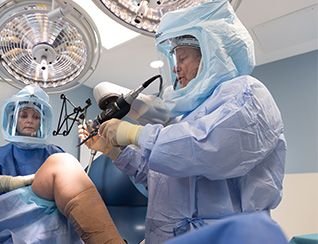
Robotics, digital imaging and computer-assisted navigation are changing how some surgical procedures are planned and performed. In orthopaedics, robotic-assisted techniques are attracting particular interest in hip and knee replacement, where the positioning of artificial joint components is an important part of the operation.
For people living with osteoarthritis, these developments raise practical questions. How does robotic-assisted surgery work? What can the technology contribute? And does it offer better results than conventional techniques?
The answers depend on the procedure, the technology used and the individual patient. Robotic assistance can give surgeons additional planning tools and guidance, but it does not replace surgical expertise or guarantee a better outcome.
How Does Robotic-Assisted Surgery Work?
Robotic-assisted surgery combines computer technology with a surgeon’s skills. Depending on the system, it may use three-dimensional planning, anatomical registration, tracking sensors and real-time guidance during the operation.
Anatomical registration is the process of relating the patient’s actual anatomy to the digital model or measurements used by the system. Tracking technology can then help the surgical team understand the position of instruments in relation to that anatomy.
Some systems use pre-operative CT scans to create detailed three-dimensional models. Others can collect anatomical information during surgery without requiring the same type of pre-operative imaging. Certain platforms provide guidance or boundaries for instrument movement, while others concentrate on navigation and measurements.
These distinctions matter: robotic-assisted surgery is not a single standardised technique. The equipment and capabilities vary between systems and procedures.
Despite the name, the robot does not independently decide how to perform the operation. The surgeon remains responsible for planning, clinical judgement and carrying out the essential surgical steps. Technology supports the process rather than replacing the clinician.
How Is Robotics Used in Hip Replacement?
Hip replacement involves replacing damaged joint surfaces with artificial components to reduce pain and improve function. Robotic-assisted systems can help surgeons plan aspects of the operation, including the intended position and orientation of the components.
Depending on the system, planning may take account of the patient’s anatomy and the relationship between the hip and surrounding structures. During surgery, navigation and robotic guidance can provide measurements or help the surgeon compare the procedure with the original plan.
The purpose is to provide additional information and support the accurate execution of the operation. The surgeon must still consider the patient’s anatomy, clinical needs and the most appropriate surgical approach.
People exploring the procedure can read more about hip replacement surgery, including the treatment decisions and questions worth discussing with an orthopaedic specialist.
How Is Robotics Used in Knee Replacement?
Robotic-assisted knee replacement uses similar principles but addresses the particular mechanics of the knee. Planning may consider bone anatomy, implant positioning and the balance of the surrounding soft tissues.
Some systems allow surgeons to assess the knee through a range of movement during the operation. This information can help guide bone preparation and component placement, although the functions available depend on the technology and surgical technique.
Knee replacement aims to reduce pain and improve mobility when joint damage has a substantial effect on everyday life. Robotic assistance may provide additional planning and guidance, but suitability for surgery still depends on symptoms, general health and the patient’s individual circumstances.
Patients can learn more about robotic knee replacement, including the procedure and factors to discuss with an orthopaedic specialist.
What Are the Potential Benefits?
One potential benefit of robotic-assisted systems is the additional information available during planning and surgery. Digital models, measurements and guidance may support component positioning and help surgeons assess the procedure as it progresses.
In selected circumstances, these tools may improve the consistency of particular technical aspects of an operation. They can also provide information about anatomy that may be difficult to assess through visual inspection alone.
However, technical accuracy is not the same as guaranteed clinical superiority. Improvements in component positioning do not automatically mean less pain, faster recovery, fewer complications or longer-lasting implants for every patient.
Evidence varies between technologies and procedures. When evaluating their value, it is important to consider outcomes that matter to patients, including pain, mobility, complications, quality of life and the longer-term performance of the artificial joint.
The overall treatment pathway also matters. Appropriate patient selection, surgical expertise, anaesthesia, rehabilitation and follow-up all contribute to care.
What Are the Limitations?
Robotic systems can require specialised equipment, training, planning and operating-theatre resources. Some approaches involve additional imaging, while others require particular instruments or software. These factors can affect how a service is organised and the cost of treatment.
Surgeons also need appropriate training and experience with the system they use. Adopting new technology involves a learning process, and sound clinical judgement remains essential.
Robotic assistance does not eliminate the risks of joint replacement. Potential complications include infection, blood clots, fractures, dislocation after hip replacement, persistent pain and complications related to anaesthesia. Individual risks vary according to the patient, procedure and other clinical factors.
Patients should therefore be cautious about claims that portray robotic surgery as automatically safer or superior. The important question is whether the proposed technique is appropriate for the individual, given the available evidence and the experience of the treating team.
Is Robotic-Assisted Surgery Right for Everyone?
No single surgical approach is right for every patient. Suitability depends on the condition being treated, the patient’s anatomy, general health, treatment goals and the options available locally.
For some people, robotic assistance may be a suitable part of their care. For others, a conventional approach may be equally appropriate. Availability also varies between hospitals and surgical teams.
Patients should ask why a particular technique is being recommended and how it compares with the alternatives. The discussion should cover likely benefits, limitations, risks, recovery and any additional costs where relevant.
The decision should be based on an informed conversation with a qualified orthopaedic surgeon rather than on the technology alone.
Questions to Ask Your Surgeon
Anyone considering hip or knee replacement may find it helpful to ask:
- Why is joint replacement being recommended in my circumstances?
- Is robotic assistance appropriate for my particular condition?
- What does the technology add to the planned procedure?
- How experienced is the surgical team with this system?
- What are the potential benefits and limitations compared with conventional surgery?
- Are there additional costs associated with the technique?
- What risks should I understand, and what recovery should I realistically expect?
These questions help patients evaluate the whole treatment plan rather than focusing solely on the technology.
Technology Should Support Good Clinical Care
Robotic-assisted surgery illustrates how digital planning, navigation and computer-guided tools are influencing modern orthopaedics. These developments can provide surgeons with additional information and support selected aspects of hip and knee replacement, but they do not remove the need for expertise, careful patient selection or realistic expectations.
For patients, the priority remains understanding their condition, weighing the available treatment options and choosing an approach that suits their circumstances. Technology can contribute to that process, but informed decisions and high-quality clinical care remain at its centre.