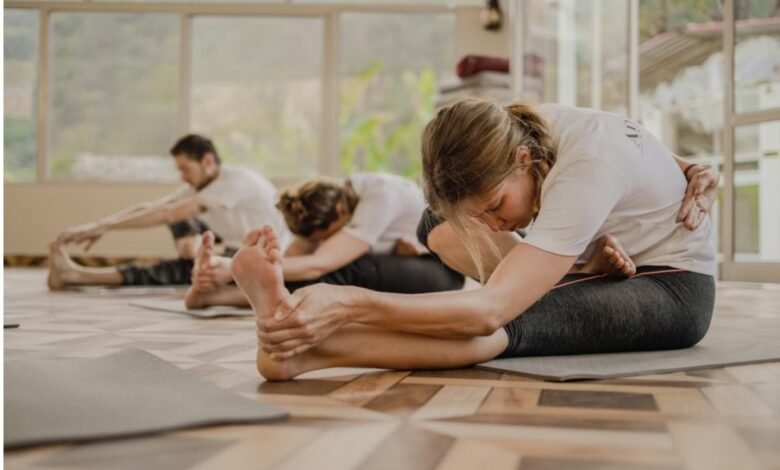
In a renovated warehouse space in Raleigh’s Glenwood South district, something unusual happens during Pilates classes. The reformers are set to a carefully curated soundtrack—not the typical spa music, but rhythmic beats that sync with breath and movement. This is Sojourn Pilates, a studio that has quietly redefined what a Pilates practice can feel like in North Carolina’s capital.
The approach reflects a broader shift in how fitness studios are thinking about the workout experience. While Pilates has long emphasized the mind-body connection, Sojourn integrates music as a central element rather than background noise. The result is a practice that feels less clinical and more immersive, attracting everyone from former dancers to tech workers looking for a midday reset.
The Pilates Method: A Brief History
Joseph Pilates developed his namesake method in the early 20th century, initially as a rehabilitation system for injured soldiers and dancers. The practice combines elements from yoga, ballet, and calisthenics, with a particular emphasis on core strength and controlled movement. What distinguished Pilates from other exercise systems was its focus on precision over repetition—quality of movement mattered more than quantity.
The method centers on several key principles:
- Concentration: Mental focus on each movement to engage the correct muscles
- Control: Deliberate, precise movements rather than momentum-driven exercise
- Centering: All movement originates from the body’s core, or “powerhouse”
- Breath: Coordinated breathing patterns that support movement and oxygenate muscles
- Precision: Attention to proper alignment and form in every exercise
- Flow: Smooth transitions between movements to build stamina and grace
According to Britannica’s overview of the practice, Pilates originally called his method “Contrology,” reflecting his belief that the mind should control the muscles. This philosophical foundation remains central to contemporary Pilates instruction, even as the practice has evolved to incorporate modern equipment and teaching methods.
What Sets Sojourn Apart
Most Pilates studios in Raleigh follow a fairly standard format: reformer-based classes in quiet studios with minimal distraction. Sojourn takes a different approach. The music isn’t incidental—it’s integral to the class structure, with instructors choreographing movements to match tempo and rhythm.
This music-forward method serves a practical purpose. The rhythm helps participants maintain consistent pacing through exercises, while the energy of the soundtrack can push people through challenging sequences they might otherwise cut short. It’s a technique borrowed from cycling studios and dance classes, applied to the traditionally more subdued world of Pilates.
The studio also emphasizes what it calls “wellness integration”—the idea that a workout should address mental state as much as physical conditioning. Classes incorporate brief mindfulness moments and breathing exercises that extend beyond the typical Pilates breath work, drawing from meditation practices.
The Mental Health Dimension
While Pilates is often discussed in terms of core strength and flexibility, research increasingly points to significant mental health benefits. Regular Pilates practice was associated with reduced symptoms of depression and anxiety, with effects comparable to other forms of moderate exercise.
The mental benefits appear to stem from several factors. The concentration required during Pilates naturally creates a meditative state—participants are too focused on proper form and breathing to ruminate on stressors. The controlled breathing techniques activate the parasympathetic nervous system, promoting relaxation. And like any exercise, Pilates triggers endorphin release, which can improve mood.
For many practitioners, these psychological effects are as important as the physical results. The practice offers a structured way to step away from screens and mental clutter, even if only for an hour.
Hot Pilates: The Heated Variation
One of the fastest-growing trends in Raleigh’s fitness scene is hot Pilates—traditional Pilates exercises performed in a room heated to approximately 95-100 degrees Fahrenheit. The concept borrows from hot yoga but applies it to the Pilates method, creating a more cardiovascular-intensive workout.
The heated environment serves several purposes. Warmed muscles stretch more easily, allowing for deeper ranges of motion and potentially reducing injury risk. The heat also elevates heart rate, turning what might be a moderate-intensity workout into a more vigorous cardiovascular session. And the increased sweating, while not actually “detoxifying” in any medical sense, does create a feeling of having worked harder.
Any form of exercise that elevates heart rate and engages multiple muscle groups can contribute to cardiovascular health and calorie expenditure. Hot Pilates fits this profile, offering an alternative for those who find traditional Pilates too gentle but don’t want the high-impact stress of running or jumping exercises.
In Raleigh specifically, hot Pilates has found an audience among people who want the mindfulness aspects of Pilates but crave a more intense physical challenge. The format has become particularly popular with former athletes and those transitioning from high-intensity interval training to lower-impact options.
Choosing a Studio: What to Consider
Raleigh now has more than a dozen Pilates studios, each with its own approach and atmosphere. For anyone new to the practice or considering switching studios, several factors deserve attention:
- Instructor credentials: Look for certifications from recognized programs like the Pilates Method Alliance, STOTT Pilates, or Balanced Body. Comprehensive certification programs require hundreds of hours of training.
- Class size: Smaller classes allow for more individual attention and form correction. Studios that pack too many reformers into a room may compromise the personalized instruction that makes Pilates effective.
- Equipment quality and maintenance: Well-maintained reformers with adjustable springs and smooth carriages make a significant difference in the workout experience.
- Class variety: Studios should offer options for different experience levels and goals, from gentle rehabilitation-focused classes to advanced athletic conditioning.
- Trial policies: Reputable studios typically offer introductory packages or trial classes, allowing you to assess fit before committing to a membership.
The studio environment matters more in Pilates than in some other fitness formats. Because the practice requires concentration and body awareness, factors like lighting, music volume, and instructor communication style significantly impact the experience.
In Raleigh, studios like FlowCorps, Club Pilates, and Pure Barre each offer introductory packages that let prospective students assess instruction style and environment before committing.
Where Pilates Is Heading
The Pilates industry in Raleigh and beyond is evolving in several notable directions. Technology integration is increasing, with some studios offering virtual classes and app-based workout tracking. This shift accelerated during the pandemic and has persisted as people have grown accustomed to hybrid fitness options.
There’s also growing interest in Pilates as a complement to other training methods rather than a standalone practice. Athletes are incorporating Pilates for injury prevention and recovery. Physical therapists are using Pilates-based exercises in rehabilitation programs. And fitness enthusiasts are mixing Pilates with strength training or cardiovascular work for more comprehensive conditioning.
The mental health aspect of Pilates is receiving more attention as well. As awareness of stress and anxiety has increased, practices that combine physical movement with mindfulness have gained appeal. Pilates fits naturally into this trend, offering structured movement that requires mental presence.
In Raleigh specifically, the Pilates scene continues to diversify. New studios are opening with specialized focuses—some emphasizing rehabilitation and physical therapy applications, others leaning into athletic conditioning or prenatal and postnatal fitness. This specialization allows practitioners to find approaches that match their specific needs and goals.
The integration of music and wellness that defines Sojourn’s approach may represent where Pilates is heading more broadly—toward more personalized, experience-focused practices that adapt the method’s core principles to contemporary preferences and lifestyles. As the fitness industry continues to evolve beyond one-size-fits-all approaches, studios that can offer distinctive experiences while maintaining instructional quality are likely to thrive.