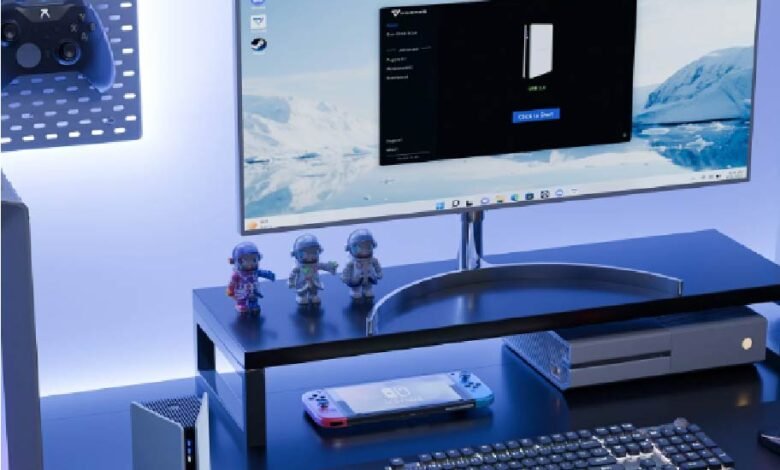
VR has left the game arcades and research laboratories far behind. Nowadays, VR is applied in immersive games, professional simulations, education and even social interaction. Puppis VR has become a niche product that is intended to resolve one of the most widespread issues of VR: the unstable and high-latency wireless connection, puppis vr was created by PrismXR and its most recent model, Puppis S1, is dedicated to providing a more comfortable and dependable wireless VR experience than the traditional VR networking systems.
Understanding Puppis VR and Its Core Purpose
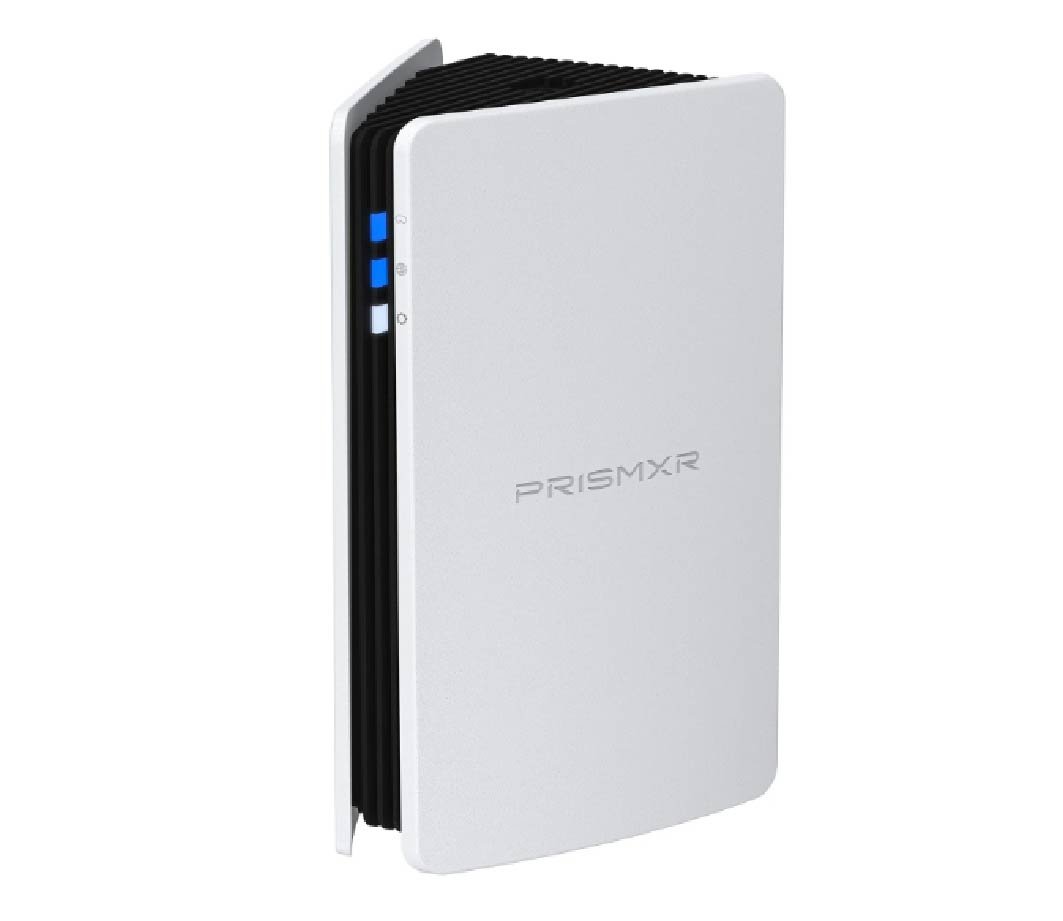
Puppis VR is not a regular VR headset. Rather, it is a specialized wireless streaming platform designed with the express purpose of improving virtual reality on PC. Conventional VR systems usually use regular home Wi-Fi routers that are shared over a number of devices. This may cause network overload, latency, and motion sickness when using VR. Puppis VR is a solution to this problem, which establishes a personal and optimized wireless bridge between your PC and VR headset.
Personally, as I have worked with creators of VR content and testers, network inconsistency stands out as one of the largest causes users to drop wireless VR. Puppis VR directly appeals to this pain point by focusing on VR traffic and reducing the amount of interference caused by other devices in your home or office.
What Is Puppis S1 and How It Improves the Experience
The Puppis S1 is the enhanced and elegant development of Puppis VR. The original concept was concerned with stability but the S1 model provides a better signal handling, better bandwidth handling, and increased speed in data transmission. The outcome is reduced latency and increased visual fidelity in straining VR sessions.
Puppis S1 is especially attractive to the users who play VR games with high speed, use VR to be productive, or stream high-resolution content. In contrast to generic wireless solutions, it has been designed taking into consideration the performance needs of VR, an aspect that is felt significantly in the course of the prolonged usage.
Puppis VR vs Other VR Wireless Solutions
The majority of VR users rely on either the wired connection or the regular Wi-Fi routers. Wired VR is stable and restricts movement and immersion. Normal wireless configurations are free but usually have problems with packet loss and unreliable speeds. Puppis VR has a perfect position of providing freedom at a wireless level without compromising reliability.
Puppis VR and Puppis S1 are designed as compared to ordinary Wi-Fi 6 routers. They do not even seek to serve numerous devices and control smart home traffic. Rather, they are fully concerned with VR data transmission. It is this specialization that enables Puppis VR to dominate much of the general-purpose networking devices when it comes to VR-specific situations.
Setup and Ease of Use
The fact that Puppis VR is easy to use by non-technical users is one of the most impressive features of the project. The installation is simple and does not need any special networking skills. All one needs to do is to attach the Puppis device to the PC, connect it to the VR headset, and they can start streaming.
In the test settings, I have observed that users who had problems configuring routers found Puppis VR very easy to use. This simplicity has made it a good option among students, first-time VR users, and professionals who do not require to always troubleshoot to get good results.
Performance, Latency, and Stability
Latency plays a vital role in VR since even minor delays may rupture immersion or become uncomfortable. Puppis VR will be built to ensure that latency is kept to a bare minimum by ensuring that a high-priority, direct wireless connection exists. This is further enhanced by Puppis S1, which enhances signal strength and minimizes interference in wireless environments that are crowded.
Stability is equally significant during the VR long sessions as speed. The fact that Puppis VR can be used without interference with other wireless devices in the vicinity is a significant benefit over other conventional setups.
Compatibility and Use Cases
Puppis VR and puppis s1 are compatible with the most popular PC-based VR headsets and can be used with the major VR platforms. This enables them to be used in gaming, virtual classrooms, architectural visualization, and in remote collaboration.
Puppis VR is a reliable method to get a feel of VR sims without the students and professionals spending money on complex networking devices. The wireless streaming also makes content creators enjoy a smooth streaming experience to ensure that the visual quality is not compromised during live demonstrations or recordings.
Conclusion
Puppis VR is unique in that it addresses a real and existent issue of wireless virtual reality. It does not attempt to be all things simultaneously but is aimed at providing stable, low-latency VR connectivity. Puppis S1 is based on this with better performance and reliability, which makes it a great option among those who take VR seriously.
Puppis VR and Puppis S1 are a narrowly narrowed, pragmatic, and progressive solution that, by comparison, places them above other VR devices, with regards to providing a smoother wireless VR experience without the complexity of other traditional networking solutions.