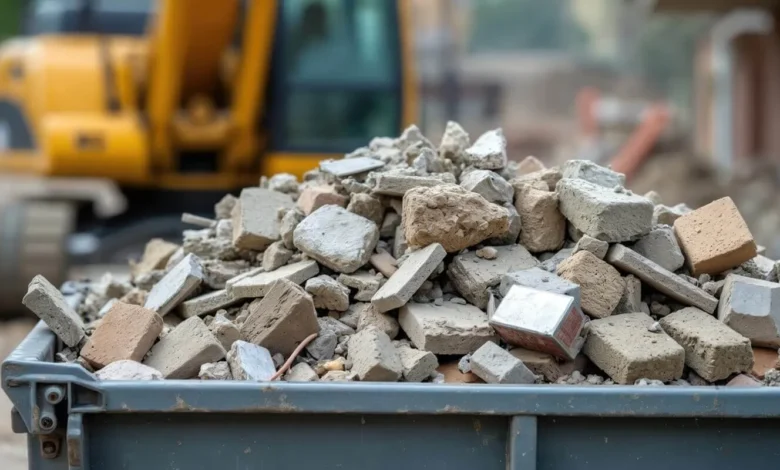
On most construction projects, debris removal is viewed as the final step in a sequence: fill the container, schedule pickup, and move on. Once the roll-off truck pulls away, attention shifts back to framing, finishes, inspections, or scheduling. Yet what happens to construction debris after it leaves the job site is far more complex than many contractors and construction managers realize.
Behind every haul is a structured chain of transportation, processing, regulatory compliance, and disposal decisions. Understanding this downstream pathway is not just an academic exercise. It influences cost forecasting, documentation requirements, environmental compliance, and risk management across projects.
Step One: Transportation and Weight Verification
Once a container leaves the job site, it does not go directly to a landfill in most cases. The first stop is often a transfer station or materials recovery facility (MRF), depending on regional infrastructure.
At this stage, loads are typically weighed. Weight verification serves several purposes:
- Ensures compliance with roadway transport limits
- Determines disposal fees based on tonnage
- Confirms that loads remain within contracted allowances
- Flags potential overages or restricted materials
Transportation regulations require trucks to meet axle weight limits and secure load standards. If a container is overweight, it may require adjustment before proceeding. This verification process is a routine part of the waste logistics chain.
For contractors, weight-based disposal fees are tied directly to this stage.
Transfer Stations: The First Sorting Point
In many markets, construction debris first enters a transfer station. These facilities act as consolidation and sorting hubs.
At a transfer station, debris may be:
- Consolidated into larger trailers for long-haul transport
- Visually inspected for prohibited materials
- Partially sorted for recyclable components
- Directed to different downstream facilities
Transfer stations allow regional haulers to optimize routing efficiency. Instead of every truck traveling long distances to landfills or processing centers, loads are aggregated and redistributed strategically.
This step also serves as a compliance checkpoint.
Material Recovery and Sorting
Depending on local regulations and facility capabilities, certain components of construction debris may be diverted from landfill disposal.
Commonly recovered materials include:
- Metal
- Clean wood
- Concrete and masonry
- Cardboard and packaging
- Asphalt shingles in some markets
Materials recovery facilities use mechanical and manual sorting processes to separate reusable components. Magnets remove ferrous metals. Screening systems isolate aggregate materials. Manual picking lines may separate cardboard or large wood pieces.
Not all debris is fully sorted, but increasing regulatory pressure has expanded recovery efforts in many regions.
Diversion rates vary significantly by jurisdiction.
Concrete and Masonry Processing
Concrete, brick, and masonry debris often follow a specialized pathway. Instead of landfill disposal, these materials may be crushed and repurposed as aggregate for road base or construction fill.
Processing typically involves:
- Removing contaminants
- Crushing material into specified gradations
- Screening for size consistency
- Stockpiling for resale or reuse
For projects generating high volumes of inert material, understanding this pathway can influence disposal planning and documentation requirements.
Recycled aggregate markets differ by region.
Wood Waste and Biomass Pathways
Clean wood debris may be diverted to facilities that produce mulch, biomass fuel, or engineered wood products. However, treated wood or contaminated lumber may be restricted from certain recycling streams.
Separation quality at the job site affects downstream processing efficiency. Mixed loads with heavy contamination reduce the potential for material recovery.
Contractors who segregate materials proactively improve the likelihood of diversion and reduce sorting complexity.
Landfill Disposal: The Final Step for Residual Waste
After sorting and recovery, residual waste proceeds to a permitted landfill. Modern landfills operate under strict environmental controls designed to manage leachate, methane gas, and groundwater protection.
Landfill operations include:
- Controlled layering of waste
- Compaction to reduce volume
- Daily cover to limit exposure
- Monitoring of environmental impact
While landfills remain a significant endpoint for construction debris, they represent only part of the overall disposal chain.
Regional landfill capacity also influences disposal costs.
Environmental Compliance and Reporting
Public and commercial construction projects increasingly require documentation of waste diversion. Reporting may include:
- Total tonnage generated
- Percentage diverted from landfill
- Breakdown by material type
- Facility documentation
After debris leaves the job site, tracking and documentation become essential for compliance with municipal, state, or project-specific environmental goals.
Understanding downstream processes helps contractors respond to reporting requests accurately.
Hazardous and Restricted Materials
If prohibited materials are identified at transfer stations or landfills, loads may be rejected or redirected to specialized facilities.
Common restricted materials include:
- Hazardous chemicals
- Asbestos-containing materials
- Certain treated woods
- Electronic waste
- Batteries
Improper disposal can result in penalties or additional transport costs. What happens after debris leaves the site depends heavily on what was loaded initially.
Jobsite controls influence downstream risk exposure.
Regional Differences in Infrastructure
Waste handling infrastructure varies widely across the United States. Urban areas often have multiple transfer stations and materials recovery facilities. Rural markets may rely more directly on landfills.
Regional differences affect:
- Tipping fees
- Diversion capabilities
- Transportation distance
- Processing capacity
Contractors operating across multiple jurisdictions may observe pricing differences that reflect infrastructure variation rather than service inconsistency.
Industry discussions often reference coordination through platforms such as Waste Removal USA when examining how centralized waste logistics align container hauling with available regional disposal pathways.
Infrastructure realities shape what ultimately happens to debris.
Transportation Economics and Routing Efficiency
Long-haul transport plays a significant role in waste management. In areas where landfill capacity is limited, debris may travel substantial distances after leaving transfer stations.
Transportation economics include:
- Fuel costs
- Driver availability
- Regulatory compliance
- Routing optimization
Fluctuations in these variables influence overall disposal cost structures.
Understanding that hauling is a multi-stage process clarifies why waste pricing varies by region and season.
Market Forces Influence Material Recovery
Recovered materials enter secondary markets. Recycled metals, aggregate, and wood products are influenced by supply and demand dynamics.
When commodity prices are strong, recovery incentives increase. When markets soften, diversion rates may shift.
Contractors rarely see these downstream market forces directly, but they affect how facilities prioritize sorting and processing.
Waste handling is tied to broader material markets.
Documentation and Chain of Custody
For large commercial or public projects, maintaining documentation of waste handling beyond the job site is often required. This may include:
- Weight tickets
- Facility receipts
- Diversion summaries
- Haul manifests
Chain-of-custody tracking ensures debris is processed at permitted facilities and supports audit readiness.
This administrative layer continues long after the container leaves the property.
Why Contractors Should Care
Understanding what happens to debris after it leaves the job site improves decision-making in several ways:
- More accurate budgeting based on disposal realities
- Improved compliance with reporting requirements
- Reduced risk of rejected loads
- Better material segregation strategies
- Informed discussions with waste providers
Treating waste logistics as a complete lifecycle rather than a pickup event enhances operational control.
Waste Removal as Part of the Construction Lifecycle
Construction debris does not disappear when hauled away. It enters a structured chain of transport, inspection, sorting, recovery, and disposal.
Each stage involves:
- Regulatory oversight
- Infrastructure capacity
- Environmental safeguards
- Economic considerations
Recognizing this lifecycle perspective reframes waste management as a systems-driven process rather than a transactional service.
What happens to construction debris after it leaves the job site is governed by a coordinated network of transportation, transfer stations, recovery facilities, landfills, and regulatory frameworks. Loads are weighed, inspected, sorted, and directed through region-specific disposal pathways.
For contractors and construction managers, understanding this downstream process strengthens budgeting accuracy, compliance readiness, and operational planning. Waste removal is not simply the end of a jobsite task. It is part of a broader infrastructure system that continues long after the container is hauled away.