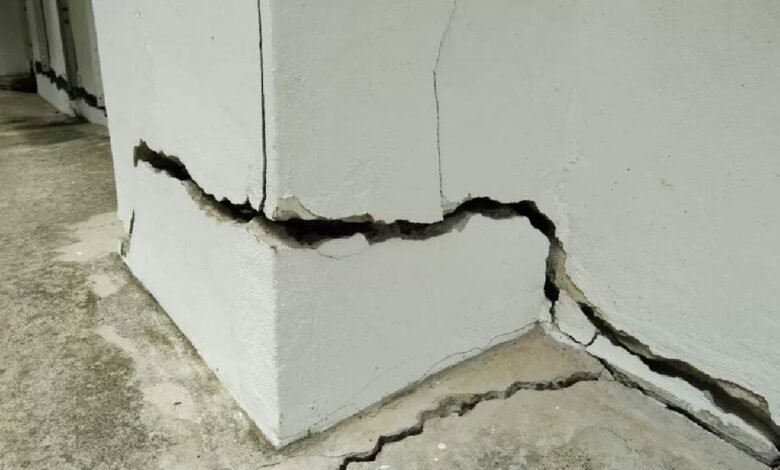
Finding a crack in your basement wall brings instant stress to any homeowner. You might wonder if your house is safe or if repairs will drain your savings. Ignoring these small fissures only leads to massive structural failure over time. This guide helps you evaluate the damage, control the moisture causing it, and take the exact right steps to secure your property.
Understand the Different Types of Cracks
Not all damage poses an immediate threat. Knowing what you are looking at helps you decide on the next course of action. You can easily classify most foundation flaws simply by looking at their shape and direction.
Vertical and Hairline Fissures
Vertical cracks commonly appear as new concrete cures and shrinks. These narrow lines usually do not threaten the structural integrity of your building. They run straight up and down, rarely widening past a fraction of an inch. You can easily seal them to keep ground moisture out of your basement.
Stair-Step Patterns
Cracks that look like a set of stairs often follow the mortar joints in brick or cinderblock walls. These jagged patterns indicate uneven settling. One side of your house is sinking into the earth faster than the other. This movement breaks the mortar apart. Stair-step damage requires closer attention and frequent monitoring to ensure the settling stops.
Horizontal Fractures
A horizontal line running across your wall signals a severe problem. Heavy, waterlogged soil presses against the exterior of your foundation. This hydrostatic pressure bows the concrete wall inward. You must address this specific issue immediately to prevent a total wall collapse.
Monitor and Measure the Damage
Before you panic over a new discovery, start tracking its behavior. Some settling naturally stops after a few years, while other movement accelerates aggressively.
Track the Width and Length
Use a pencil to draw a thin line at the top and bottom of the crack. Write down the current date right next to your marks. Measure the width of the gap using a simple plastic ruler and record that number. Check these marks every single month. If the gap widens or extends past your pencil lines, the earth beneath your home is actively shifting.
Control the Surrounding Moisture
Water causes almost all foundation problems. Dry soil shrinks away from the walls, while wet soil expands and pushes heavily against them. Keeping the moisture levels consistent protects your concrete from cracking.
Direct Rainwater Away
Check your gutters and downspouts regularly. Blocked gutters force rainwater to spill directly over the edge and pool at the base of your house. Clean the channels every spring and late autumn. Attach plastic extensions to your downspouts so they empty at least five feet away from the exterior walls.
Fix Your Yard Grading
Walk around your property and inspect the soil resting against your house. The ground must slope downward and away from the building. If you see flat areas or dips where puddles form, add dense topsoil to rebuild the slope. This simple landscaping task forces surface water to drain into the yard instead of seeping into your basement.
Manage Tree Roots
Large trees absorb hundreds of gallons of water every day. If a massive tree grows too close to your house, its roots will suck all the moisture out of the dirt under your foundation. This causes the earth to shrink rapidly, removing vital support from the concrete above. Keep large trees at least twenty feet away from your home perimeter.
Apply the Right Repair Methods
Small cosmetic issues require entirely different solutions than major structural shifts. Choosing the right fix prevents the damage from returning next year.
Seal Minor Gaps
Polyurethane foam or epoxy injections work perfectly for non-structural vertical cracks. The liquid material expands inside the gap to completely block groundwater and pesky insects. You can purchase these simple kits at most hardware stores and finish the job in a single afternoon.
Reinforce Major Structural Flaws
When a wall begins to bow or sink, you need heavy reinforcement. Contractors often use carbon fiber straps or steel I-beams to brace the weakened concrete. For severe settling, workers install heavy steel piers deep into the bedrock to lift the house back to its original position. Sourcing durable materials from a reliable metal supply in Utah ensures these underpinning systems remain stable for decades. Do not attempt these major installations on your own.
Conclusion
Acting quickly limits the amount of damage your house sustains. By identifying the type of fracture, directing water away from your walls, and calling a professional for major structural shifts, you protect your biggest investment. Walk around your basement this weekend to inspect the concrete. Catching a small problem today saves you thousands of dollars tomorrow.