A flat, one-dimensional backyard can often feel uninspiring and small, regardless of its actual square footage. The secret to professional landscaping lies in the concept of layering. By strategically placing plants of varying heights and contrasting textures, you can create a sense of mystery and abundance. A layered garden draws the eye through the space in a deliberate way, making a backyard feel like a curated sanctuary rather than a mere patch of grass. This approach requires an understanding of verticality, foliage diversity, and the structural foundations of garden design.
Establishing the Vertical Hierarchy
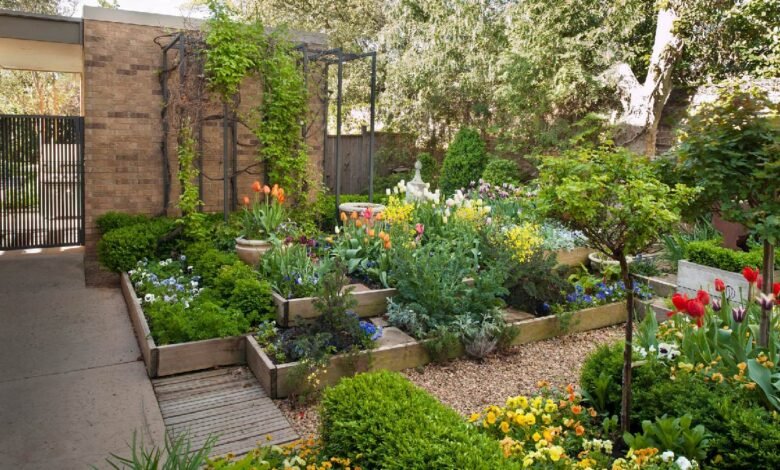
The first step in adding depth is to move away from the traditional row-style planting where every flower sits at the same level. Instead, think of your garden as a staircase. By creating distinct levels, you give the eye multiple places to rest, which creates the illusion of a much larger environment.
The Canopy and Backdrop
Every garden needs a skeletal structure. This usually begins with the tallest elements, such as ornamental trees or large shrubs. These serve as the backdrop for the rest of your design. Evergreens are particularly useful in this role because they provide structure even in the winter months. Positioning taller plants at the rear or the center of a circular bed provides a visual anchor. When choosing these foundational pieces, consider their eventual height and spread to ensure they do not overwhelm the space as they mature.
The Mid-Tier Transition
The middle layer is where the most visual interest happens. This level bridges the gap between towering trees and low-lying groundcovers. Here, you should utilize shrubs that grow to waist height and tall perennials. Plants like hydrangeas, ornamental grasses, or tall lilies are excellent for this tier. By overlapping these with the taller backdrop, you eliminate harsh lines and create a soft, natural transition that feels lush and intentional.
Mastering the Language of Texture
While height provides the structure, texture provides the emotion of the garden. Texture refers to the visual weight of a plant’s foliage. Mixing different leaf shapes and surfaces prevents the garden from looking like a singular green blur.
Combining Coarse and Fine Textures
Coarse textures come from plants with large, broad, or jagged leaves. These plants feel heavy and tend to jump forward visually, making them great focal points. Fine textures, such as the wispy blades of ferns or the delicate leaves of a Japanese maple, feel light and airy. When you place a fine-textured plant in front of a coarse-textured one, the contrast creates immediate depth. The interplay between a shiny, waxy leaf and a soft, fuzzy one adds a tactile quality that invites closer inspection.
Using Color to Enhance Depth
Texture is also influenced by color. Deep, dark greens tend to recede into the shadows, while variegated leaves with white or yellow edges pop forward. Using darker foliage in the back of a planting bed can make the boundary of the yard seem further away than it truly is. Conversely, bright colors in the foreground draw the visitor into the space, creating a dynamic sense of movement.
Starting from the Ground Up
A truly successful layered garden is built on a healthy biological foundation. The health of the soil and the quality of the plants determine how well these layers will thrive over time. For those who want complete control over the variety and health of their landscape, starting with organic seeds is a reliable way to ensure that the garden remains a safe haven for pollinators and local wildlife. Selecting heritage or non-GMO varieties allows for unique textures and colors that are often unavailable in pre-grown nursery stock.
Groundcovers and Edge Definition
The final layer is the foreground. This is where low-growing plants, creepers, and mosses come into play. These plants hide the bare soil at the base of larger shrubs and act as a living mulch. Groundcovers like creeping thyme or sedum provide a carpet of texture that grounds the entire design. They also soften the edges of walkways and patios, blurring the line between the hardscape and the natural environment.
Conclusion
Creating a layered garden is a process of curation. It involves looking at a backyard as a three-dimensional canvas where every plant has a role to play in the overall composition. By focusing on a vertical hierarchy and a rich tapestry of textures, you can transform a plain outdoor area into a complex and inviting retreat. This method not only improves the aesthetic value of a property but also creates a more resilient and biodiverse ecosystem. Whether you are working with a small patio or an expansive lot, the principles of layering will bring a professional, polished look to your outdoor living space.