Heavy traffic wears down highways and warehouse floors, creating safety hazards and driving up repair costs. The relentless mechanical and environmental stress degrades these surfaces over time. Understanding this process is crucial for developing stronger, more durable infrastructure that can withstand the daily grind.
Direct Mechanical Impacts of Heavy Traffic
The most visible damage to any paved area comes directly from the physical forces exerted by vehicles and pedestrians. These mechanical impacts break down materials layer by layer.
Abrasion and Surface Wear
Abrasion occurs when moving objects scrape against a surface, slowly grinding away the top layer. High-speed vehicle tires create significant friction, leading to rapid wear on asphalt and concrete roads. Even foot traffic causes pedestrian scuffing, which can degrade polished public floors or specialized coatings over time.
Compaction and Deformation
Heavy vehicles exert immense downward pressure. This localized stress forces materials to compress. Flexible surfaces, such as asphalt, are highly susceptible to rutting and permanent deformation under consistent heavy loads. Rigid surfaces like concrete handle compression better, but excessive stress will eventually lead to cracking and spalling as the material reaches its breaking point.
Impact and Vibration
Traffic does not just roll smoothly; it bumps, brakes, and accelerates. Sudden stops and rapid acceleration apply severe shear forces to the ground. Furthermore, heavy vehicles send deep vibrations propagating through the material. These continuous shockwaves cause microscopic damage, which eventually links together to form larger, structural micro-cracks.
Indirect Impacts and Environmental Stressors
While physical weight and friction initiate damage, traffic also exacerbates environmental factors that accelerate surface failure.
Thermal Stress
Dark surfaces like asphalt absorb massive amounts of heat. Heavy traffic friction adds to this heat buildup. As temperatures rise and fall, the pavement goes through expansion and contraction cycles. This constant shifting leads to thermal fatigue, causing the material to crack and warp.
Moisture Ingress
Once traffic creates initial cracks and pores, water finds a way in. Moisture penetration is one of the most destructive forces for any surface. During cold weather, freeze-thaw cycles cause the trapped water to expand, forcefully pushing the cracks wider. Water also carries dissolved pollutants that slowly eat away at the internal structure of the pavement.
Chemical Exposure
Vehicles routinely leak fluids, including oil, diesel fuel, and coolant. During winter, de-icing agents are spread heavily across roads. These harsh chemicals break down the binding agents in asphalt and weaken the chemical bonds in concrete, accelerating overall degradation.
Material Fatigue
Even if a vehicle’s weight falls well below the maximum load capacity of a road, the sheer volume of traffic causes material fatigue. Repeated stress cycles slowly weaken the material over time. Understanding fatigue limits is crucial for modern surface design, as millions of small impacts are often more destructive than a single massive load.
The Real Cost of Reduced Surface Durability
When infrastructure fails to withstand heavy traffic, the consequences ripple outward, affecting budgets, safety, and daily life.
Ballooning Maintenance Budgets
Poor surface durability leads to a continuous cycle of patching, sealing, and resurfacing. These frequent repairs drain municipal and corporate budgets, resulting in higher long-term expenditures for infrastructure upkeep.
Rising Safety Hazards
Degraded surfaces are dangerous. Potholes, deep cracks, and uneven pavements pose severe risks to both vehicles and pedestrians. Worn surfaces also suffer from reduced skid resistance, drastically increasing the likelihood of accidents during wet conditions.
Economic and Environmental Disruption
Constant roadworks mean endless traffic delays. This congestion disrupts logistics and reduces transportation efficiency. Environmentally, failed surfaces require increased material consumption for repairs, alongside the heavy energy expenditure needed to operate construction equipment.
Strategies to Build Resilient Surfaces
Protecting infrastructure from heavy traffic requires a combination of smart engineering and active management.
Smart Material Selection and Structural Design
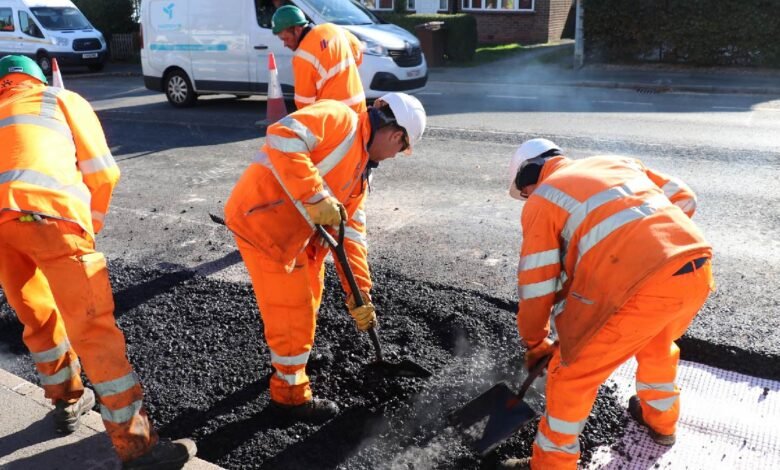
Engineers are increasingly turning to high-performance materials to combat wear. Polymer-modified asphalt and high-strength concrete offer vastly improved resistance to rutting and cracking. Companies specializing in asphalt paving, like those in Utah, for example, often use these advanced materials. Additionally, structural design improvements—such as laying thicker base and sub-base layers for better load distribution—ensure the pavement can handle heavy-duty applications.
Proactive Maintenance and Traffic Management
Waiting for a surface to fail is a costly mistake. Proactive maintenance regimes, including timely crack sealing and minor patching, prevent moisture ingress and stop small issues from becoming structural failures. Implementing intelligent traffic management, such as enforcing load restrictions for heavy vehicles on vulnerable routes and lowering speed limits to reduce impact forces, further extends the lifespan of the surface.
Conclusion
Heavy traffic will always test our infrastructure’s limits. By understanding the mechanical, environmental, and chemical stressors involved, planners and engineers can design more durable surfaces. Investing in high-quality materials and proactive maintenance saves money long-term and ensures our public spaces remain safe and resilient for years.