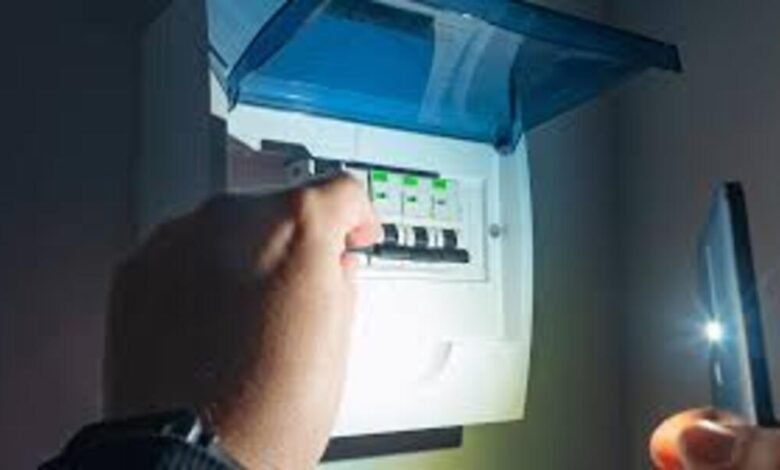
Residual Current Devices (RCDs) are essential safety components in modern electrical installations, protecting users from electric shock and reducing the risk of electrical fires. Yet when your RCD keeps tripping with no obvious cause, it can be both confusing and frustrating. Understanding the potential reasons and practical fixes helps you take confident steps to restore safe power to your home or business. If in doubt, always consult experienced London Electricians to diagnose and resolve persistent faults safely.
- Appliance Faults Under Load
One of the most common causes of nuisance tripping is faulty appliances. Items like washing machines, dishwashers, electric heaters or even portable chargers can develop internal insulation faults that create leakage currents. These small leakages might not be enough to trip individual circuit breakers but can cumulatively trip the RCD. Unplug suspect appliances and test the system again. If tripping stops, an electrician can help isolate the exact fault.
- Moisture and Damp Conditions
Dampness around sockets, garden circuits or outdoor lighting can bridge the insulation between live conductors and earth. This moisture can cause leakage currents that provoke an RCD trip. Properties in older parts of the city frequently experience this, especially during wet seasons. A thorough inspection by an Electrician in London will identify and rectify moisture-related faults safely.
- Wiring Wear and Age
Over time, insulation degrades. Older properties might still have outdated cabling that struggles under modern electrical loads. Wear and tear can expose conductors to earth paths, causing intermittent leakage and RCD tripping. Rewiring or partial upgrades may be the safest long-term fix.
- Combined Leakage from Multiple Circuits
Not all leaks are large on their own. A series of minor leakages across several circuits can cumulatively exceed the RCD threshold. This is especially true in homes with many low-power electronics. Professional fault finding helps pinpoint which circuits contribute most to leakage.
- Incorrect RCD Rating or Installation
Using an RCD with an inappropriate sensitivity or rating for your installation can lead to nuisance tripping. Likewise, an incorrectly wired consumer unit can cause imbalance. Only qualified electricians should commission or reconfigure protective devices to meet current regulations.
- Neutral-to-Earth Faults
A neutral conductor touching earth inadvertently can create an imbalance that trips the device. These faults are often hidden behind walls or in junction boxes, making them difficult for DIY detection. Advanced testing techniques by a competent electrician will trace and fix the issue.
- Transient Spikes and Surges
Occasional power surges caused by lightning strikes, grid switching or heavy machinery starting can cause temporary imbalances that trip RCDs. Surge protection devices and careful load management can reduce the frequency of such events.
- Shared Neutral Conductors
In some installations, especially older ones or those with multiple circuits in the same cable, shared neutral conductors can cause imbalances. This problem can make a single RCD trip even if no single circuit is overloaded. A qualified London Electrician will separate and reorganise such circuits for safer operation.
- Faulty RCD Device
Sometimes the protective device itself is faulty. RCDs can wear out over time or fail due to internal component deterioration. Testing using calibrated equipment is essential to confirm whether the device itself needs replacement.
- Environmental and External Factors
External influences such as rodents chewing cables, construction work near underground wiring or poorly installed home improvements can all cause leakage paths. These unexpected issues require professional electrical fault finding rather than DIY guesswork.
Understanding why an RCD keeps tripping is the first step, but fixing the problem often calls for professional expertise. A trusted Electrician in London will use specialised test instruments to map insulation resistance, monitor circuit behaviour under load and isolate the precise location of faults. This systematic approach avoids unnecessary replacements and ensures long-term compliance with electrical safety standards.
Persistent nuisance tripping can disrupt daily life and reduce confidence in your electrical installation. If the issue appears suddenly or frequently repeats, it is a clear signal that diagnostic intervention is needed. Waiting too long may lead to more significant wiring damage or jeopardise built-in safety measures.
In some cases, upgrading your consumer unit to incorporate modern safety features and individual circuit protection devices can be part of the solution. A current consumer unit with RCBOs (Residual Current Breaker with Overload) offers improved discrimination between circuits and can reduce unnecessary outages.
Landlords in particular should take RCD issues seriously as part of meeting regulatory obligations. Faults that lead to random tripping may affect the outcome of inspection reports and impact the issuing of London Landlord EICR Certificates. Ensuring that your electrical system is robust and compliant protects tenants and meets statutory requirements.
Finally, if the RCD tripping occurs alongside signs like burning smells, warm sockets or flickering lights, this indicates a more urgent condition. In such situations, contacting London Emergency Electricians for immediate assessment and fault clearing is the safest option.
Ultimately, recurring RCD trips are a symptom, not the cause. With proper investigation, accurate diagnosis and targeted repairs by a professional, you can restore dependable and safe power throughout your property. Whether you need fault finding, system upgrades or compliance checks, experienced electricians provide the reassurance and expertise required for London homes and businesses.