Some jobs just need a hole drilled straight through a bit of metal. Easy enough. But drill a long, narrow hole through a thick length of steel, and keep it perfectly straight the whole way, and you’ve got a much harder job on your hands. That’s where deep hole boring companies come in, using tools and know how built specifically for this kind of precise, deep cutting work.
This article looks at what deep hole boring actually involves, why standard drilling can’t do the job properly, and what to check before choosing a company to handle your next project. Whether you’re new to the process or just weighing up a few quotes, this should help you ask the right questions.
What Makes Deep Hole Boring Different
Standard drilling starts to struggle once a hole gets much deeper than about ten times its own diameter. The drill bit wanders off line, heat builds up fast inside the hole and swarf, the metal shavings cut away during drilling, can’t clear properly from such a narrow space. The result is often a crooked hole, a rough finish, or a snapped drill bit halfway through the job.
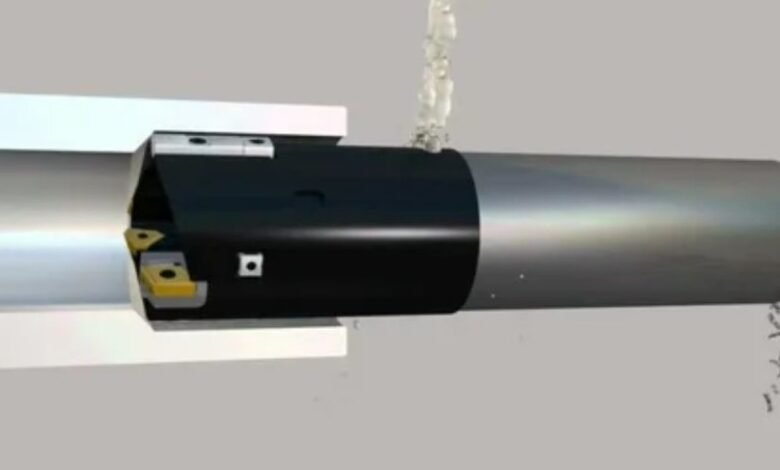
Deep hole boring gets round these problems using specially designed tools that pump cutting fluid straight to the cutting edge, flushing swarf out as it goes. This keeps the tool cool, clears the hole properly, and lets it cut a straight, accurate bore even when the hole runs many times deeper than it is wide.
Why Businesses Rely on Specialist Deep Hole Boring Companies
Getting a deep hole boring right takes purpose built machinery, proper tooling, and years of hands on experience with the process. Most general engineering firms simply don’t have the kit or the know how to do it well, which is exactly why dedicated deep hole boring companies exist as a separate, specialist service.
Working with a specialist also means access to a wider range of hole sizes and depths than a typical workshop could manage. These companies invest heavily in equipment built specifically for boring long, narrow, accurate holes, rather than trying to stretch general purpose machinery beyond what it was ever designed to do.
BTA and Gun Drilling Methods
Two main methods dominate deep hole boring work. BTA boring, sometimes called STS boring, pumps cutting fluid down the outside of the tool and removes swarf through the middle, which suits larger diameter holes particularly well. Gun drilling works the other way round, sending fluid through the centre of the tool and clearing swarf along the outside, and tends to suit smaller diameter, longer holes.
Choosing between the two comes down to the size and depth of hole needed, along with the material being worked on. A company with genuine experience in both methods can recommend whichever suits your particular job best, rather than pushing whatever equipment happens to be sitting idle that week.
Straightness and Tolerance Control
Keeping a deep hole perfectly straight is one of the hardest parts of the whole process, since even a slight drift becomes far more noticeable over a longer length. Specialist companies use guided tooling and careful setup to keep the bore running true from one end to the other.
This matters hugely for parts like hydraulic cylinders and gun barrels, where an off centre or wandering bore causes uneven wear, leaking seals, or serious performance problems once the part goes into actual use.
Working With Different Materials
Deep hole boring gets used across a wide range of metals, from mild steel through to tougher alloys and stainless steel, and each material behaves differently under the cutting tool. Harder materials need slower cutting speeds and different tooling to avoid excessive wear or heat damage during the process.
A company with broad material experience can adjust their approach properly rather than applying the same settings across every job, which matters a lot when working with more demanding or expensive materials.
Combining Boring With Honing
Many deep hole boring companies also offer honing as a follow up step, smoothing and refining the bore once the initial boring pass is complete. This combination gives a finished hole that’s both accurately positioned and precisely finished, ready for a seal, piston, or bearing to move against smoothly.
Having both processes available under one roof also saves time and hassle, since a part doesn’t need shipping between two separate specialists before it’s genuinely ready to use.
Common Applications for Deep Hole Boring
Deep hole boring turns up across a surprising range of industries, wherever a design calls for a long, straight, accurate hole through solid metal. Hydraulic cylinders rely on it heavily, along with gun barrels, mould tooling, and the long shafts used in heavy industrial machinery. Oil and gas equipment also depends on precisely bored holes for various downhole components that need to withstand serious pressure underground.
Each of these applications demands slightly different priorities, whether that’s absolute straightness for a gun barrel or a specific surface finish for a hydraulic bore ready to take a seal. A company familiar with these different end uses can adjust their process accordingly, rather than treating every job with a single standard approach regardless of what it’s actually for.
Things to Check Before Choosing a Deep Hole Boring Company
Not every company delivers the same standard of work, and the differences often only become obvious once a finished part is back in service and behaving badly. A few practical checks before you commit help avoid that expensive mistake.
Here’s what’s worth confirming before sending any work their way.
- Experience with your specific hole diameter and depth requirements
- The right boring method, BTA or gun drilling, for your job
- Proven straightness and tolerance control on similarly sized parts
- Material experience covering whatever metal your part is made from
- Proper accreditation, such as ISO 9001, backing their quality claims
- Honing available as a follow up step if your job needs it
Conclusion
Choosing between deep hole boring companies properly means looking past a quick quote towards genuine experience, the right equipment, and proven accuracy on jobs similar to yours. Whether your project needs BTA boring, gun drilling or a finished bore ready for honing, picking a specialist who understands the process fully makes all the difference. Ask the right questions before committing, and the part you get back should perform exactly as it needs to.