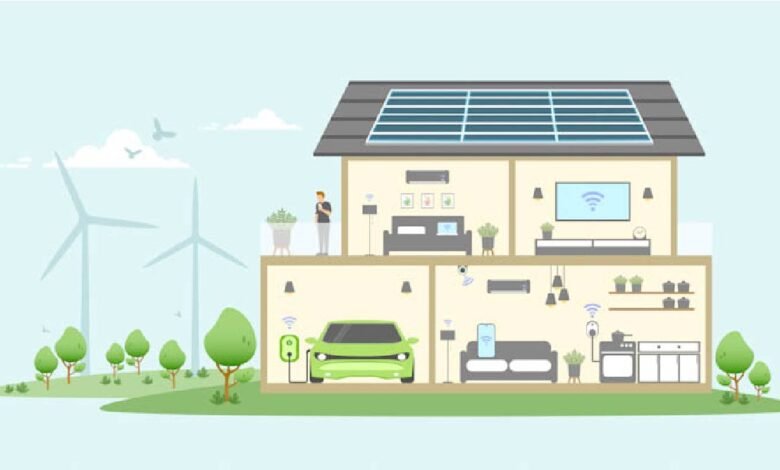
Creating an energy-efficient home doesn’t require a full renovation or a massive budget. With a few smart adjustments and mindful upgrades, you can significantly reduce your energy consumption, lower utility bills, and create a more comfortable living space. Whether you’re a homeowner or renter, these simple strategies can help you move toward a more sustainable lifestyle while keeping your finances in check.
Start with Smart Habits
Before investing in upgrades, evaluate your daily habits. Small changes in behavior can lead to noticeable savings. Turn off lights when leaving a room, unplug devices that aren’t in use, and make the most of natural daylight. Adjusting your thermostat by just a few degrees—especially when you’re asleep or away—can also reduce energy usage without sacrificing comfort.
Using energy-efficient settings on appliances like washing machines and dishwashers can further cut down consumption. These changes may seem minor, but over time, they add up to meaningful savings.
Upgrade to Energy-Efficient Lighting
Lighting is one of the easiest areas to improve. Replacing traditional incandescent bulbs with LED bulbs can reduce energy use by up to 80%. LEDs last significantly longer, which means fewer replacements and less waste.
Consider installing motion sensors or timers in areas like hallways, bathrooms, or outdoor spaces. These ensure lights are only on when needed, eliminating unnecessary energy use.
Seal and Insulate Your Home
A well-insulated home is key to maintaining indoor temperature and reducing reliance on heating and cooling systems. Check for drafts around windows, doors, and vents, and seal any gaps with weatherstripping or caulk.
Adding insulation to your attic and walls can make a dramatic difference, especially in climates with extreme temperatures. Proper insulation keeps warm air inside during winter and blocks heat during summer, making your home more comfortable year-round.
Invest in Energy-Efficient Appliances
If you’re planning to replace old appliances, choose energy-efficient models. Look for appliances designed to consume less electricity and water without compromising performance. Refrigerators, air conditioners, and washing machines are among the biggest energy users in most homes, so upgrading these can yield substantial savings.
While the upfront cost may be higher, the long-term reduction in energy bills often makes these investments worthwhile.
Optimize Heating and Cooling
Heating and cooling systems account for a large portion of household energy use. Regular maintenance, such as cleaning filters and servicing units, ensures they run efficiently. Dirty filters can restrict airflow, forcing systems to work harder and consume more energy.
Installing a programmable or smart thermostat allows you to automate temperature adjustments based on your schedule. This ensures energy isn’t wasted when no one is home.
Improve Your Home’s Exterior
Energy efficiency doesn’t stop inside your home. The exterior plays a crucial role in regulating temperature. Reflective roofing materials, proper ventilation, and strategic landscaping can all contribute to lower energy use.
For example, investing in durable, reflective materials like metal roofing in Salt Lake City has become a popular option for homeowners looking to improve insulation and reduce heat absorption. Similarly, planting trees or adding shading elements can help block direct sunlight and keep your home cooler naturally.
Use Water Efficiently
Heating water requires energy, so reducing water usage also contributes to efficiency. Install low-flow showerheads and faucets to minimize water waste without sacrificing pressure. Fix leaks promptly, as even small drips can lead to significant water and energy loss over time.
You can also lower the temperature setting on your water heater to reduce energy consumption while still meeting your household needs.
Embrace Renewable Energy Options
If you’re ready to take your energy efficiency efforts further, consider renewable energy sources like solar panels. While the initial investment can be significant, many homeowners find the long-term savings and environmental benefits worthwhile.
Even small steps, such as using solar-powered outdoor lights, can contribute to a more sustainable home.
Final Thoughts
Creating an energy-efficient home is all about making smarter choices—both big and small. From upgrading lighting and appliances to improving insulation and adopting better habits, every step you take contributes to lower energy bills and a reduced environmental footprint.
The best part is that you don’t have to do everything at once. Start with simple changes, build momentum, and gradually invest in larger improvements. Over time, these efforts will transform your home into a more efficient, comfortable, and cost-effective space.